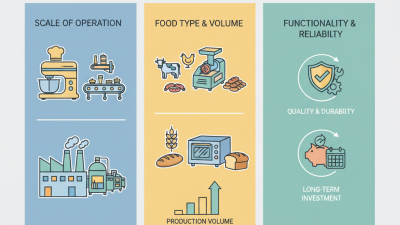
Choosing the right dairy equipment is crucial for farm success. Selecting suitable equipment can improve efficiency and productivity. However, it can also be overwhelming due to the many options available.
When considering dairy equipment, farmers must evaluate their specific needs. Factors like herd size, milk production goals, and budget play a role. It’s essential to think about durability and maintenance too. Some equipment may seem cheap, but it could cost more over time due to repairs.
Farmers often overlook the importance of proper training for using dairy equipment. Investing time in learning how to operate machinery can prevent mistakes. Many choose equipment without fully understanding its features. This can lead to inefficiency in daily operations. Ultimately, making informed decisions about dairy equipment is key to running a successful dairy farm.
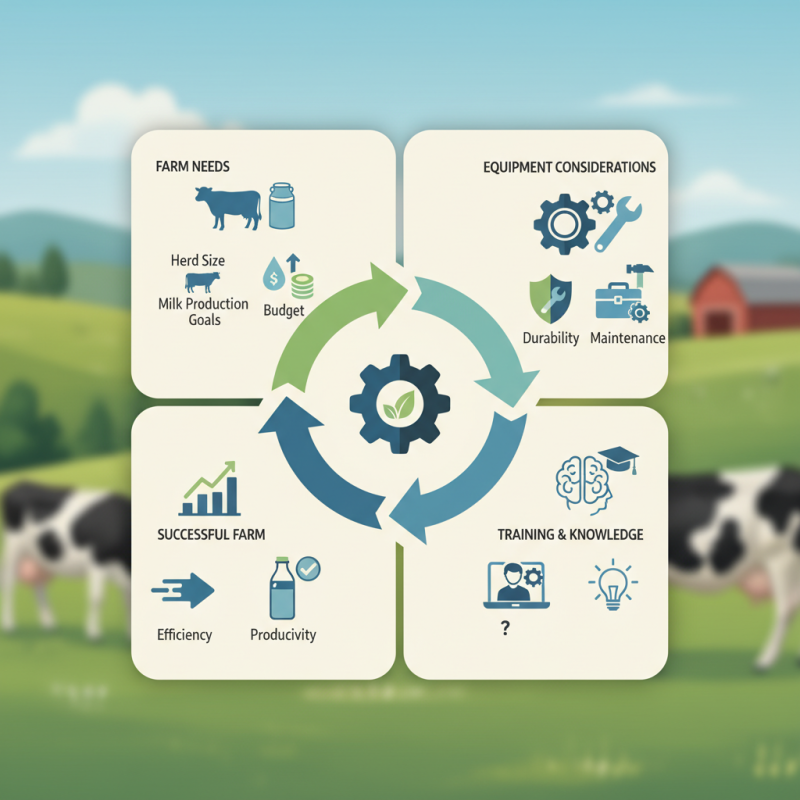
When assessing your dairy farm's unique needs, start with a clear understanding of your goals. What do you want to achieve? Higher milk production? Better quality? Consider the aspects of your farm that influence these outcomes. Each farm has its own challenges. Take the time to evaluate your current equipment and identify any gaps.
Tips: Define your budget early. Determine how much you can realistically spend. Evaluate the return on investment for new equipment. Not all costs are upfront. Maintenance and operation expenses also matter.
Pay attention to the specific conditions on your farm. Weather, herd size, and land type can make a difference. Will your equipment handle the unique demands of your environment? Sometimes, what works for one farm may not fit yours. Reflection is key here; assess past decisions. Were they beneficial or detrimental?
Tips: Involve your team in the decision-making process. Gather insights from those who work closely with your operations. Their perspectives can highlight overlooked areas. Engaging experienced farmhands can lead to more practical choices.
| Equipment Type | Capacity (Liters) | Power Requirement (kW) | Maintenance Frequency (Months) | Estimated Cost ($) |
|---|---|---|---|---|
| Milking Machine | 2000 | 5 | 6 | 8,000 |
| Pasteurizer | 1500 | 10 | 12 | 15,000 |
| Cooling Tank | 3000 | 3 | 24 | 10,000 |
| Feeding System | N/A | 7 | 6 | 20,000 |
| Manure Separator | N/A | 4 | 12 | 18,000 |
When choosing dairy equipment, understanding types is crucial. Milking systems are essential for maximizing efficiency. There are various systems, from traditional to automated options. Automated systems can save labor but may come with a higher initial cost. Weigh the benefits against your budget. Each type has its pros and cons. Many producers find automation worth the investment, while others prefer hands-on methods.
Bulk tanks are another vital component. They ensure milk quality by maintaining proper temperature and hygiene. Look for tanks that are easy to clean and durable. Some farmers struggle with tank maintenance. Regular checks and cleaning are necessary to preserve milk quality. Don't overlook this part of your operation.
Evaluate your specific needs. Consider your herd size and production goals. Not all equipment suits every farm. Some setups might need an upgrade sooner than expected. Balancing current needs with future growth is a challenge. Investing in the right equipment is not simple. Think carefully and plan accordingly.
When selecting dairy equipment, energy efficiency and sustainability are crucial factors. Recent studies indicate that energy-intensive dairy operations can account for up to 25% of a farm's total energy costs. Equipment that optimizes energy use can lead to significant savings. For example, utilizing energy-efficient milking systems can reduce electricity consumption by 20-30%.
Tips: Look for systems with variable speed drives. These adjust motor speeds based on demand. It’s a small change that can yield energy savings.
Sustainability in dairy equipment encourages improved waste management. Technologies that separate solids from liquids in manure can lead to better nutrient recycling. This not only lowers environmental impact but also enhances soil health. However, investing in such technologies can be costly upfront. Farmers must evaluate whether the benefits justify the expenses over time.
Tips: Consider local incentives for sustainable practices. These can offset initial investments. Balancing cost against long-term gain is essential for sustainability.
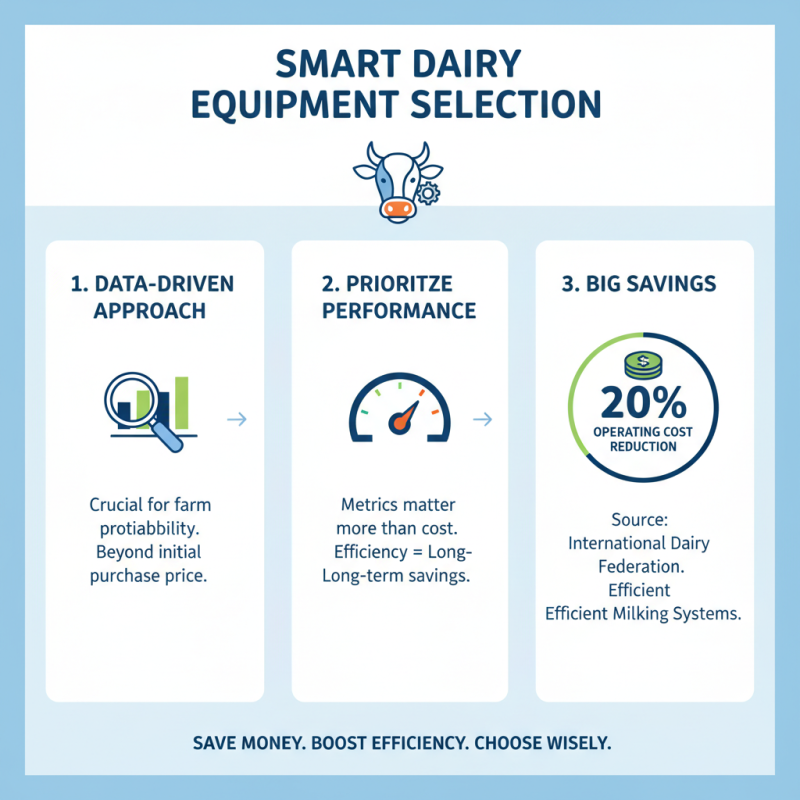
When selecting dairy equipment for your farm, a data-driven approach is crucial. It's not just about cost. Performance metrics often outweigh the upfront price. A report from the International Dairy Federation indicates that farms can save up to 20% on operating costs by choosing efficient milking systems.
The key lies in comparing different options on the market. For instance, automated systems offer better efficiency but come with higher initial investments. Yet, they can reduce labor costs significantly. A recent analysis showed that farms using automated milking systems increased their output by 15% over traditional methods.
Tip: Evaluate equipment not just on the price tag. Assess long-term savings. Consider potential increases in milk yield and quality. Retrospective studies show that some farms underestimated these factors.
Choosing dairy equipment is complex. Sometimes, the cheapest option may lead to higher maintenance costs later. Data from various farm studies reveal a common pattern: initial savings can obscure long-term inefficiencies. It’s essential to look beyond immediate costs for sustainable growth.
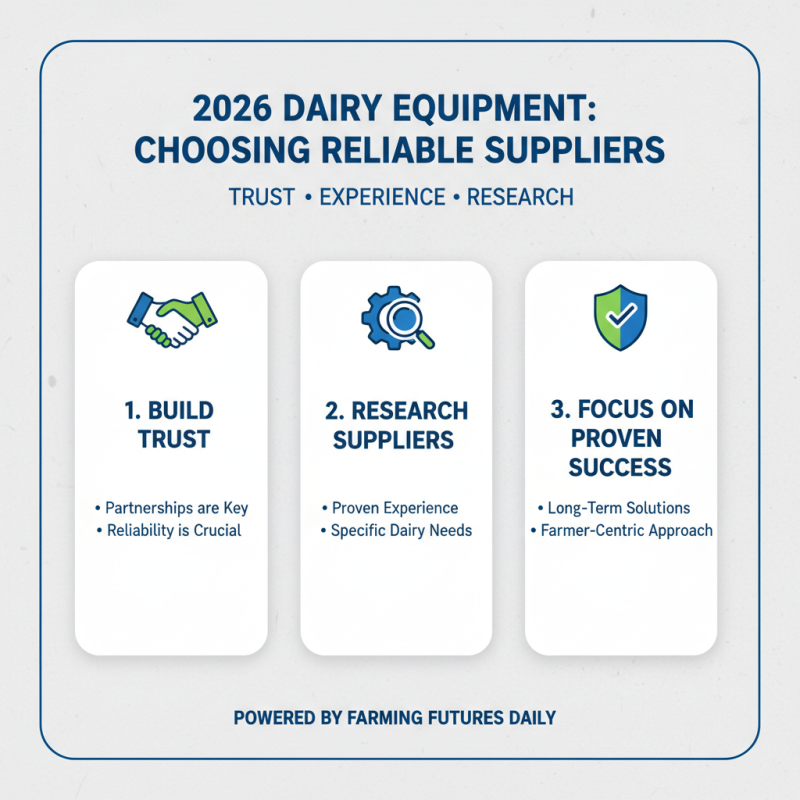
Choosing the right dairy equipment for your farm starts with selecting reliable suppliers. In 2026, farmers need to focus on who they partner with. Trust is critical. Take the time to research. Look for suppliers with proven experience in your specific dairy needs.
Quality should be your priority. Not every supplier meets the same standards. Visit their facilities if possible. Evaluate their equipment personally. Ask questions about warranties and service support. Many suppliers promise much but deliver little. Past customer reviews can reveal hidden issues.
Consider the supplier’s response time. A fast response is crucial during emergencies. Delays can cost you time and money. Don't be afraid to ask for references. A reputable supplier should be willing to provide them. Be cautious; not all suppliers are as reliable as they claim. Evaluate them carefully to ensure your farm’s success.
+44 (0)1373 831 373