How to Choose the Best Forming Equipment for Your Business Needs?
Choosing the right forming equipment is crucial for business success. In 2021, the global forming equipment market was valued at approximately $45 billion, with expectations for steady growth. Factors such as efficiency, durability, and technology advancements are key considerations. Many companies invest heavily in equipment, yet still struggle with performance.
It's essential to assess specific business needs. Some organizations find themselves overwhelmed by choices. For example, the wrong type of forming equipment can lead to production bottlenecks. Research shows that 30% of manufacturers reported issues due to unsuitable equipment. The right selection can enhance productivity and reduce costs.
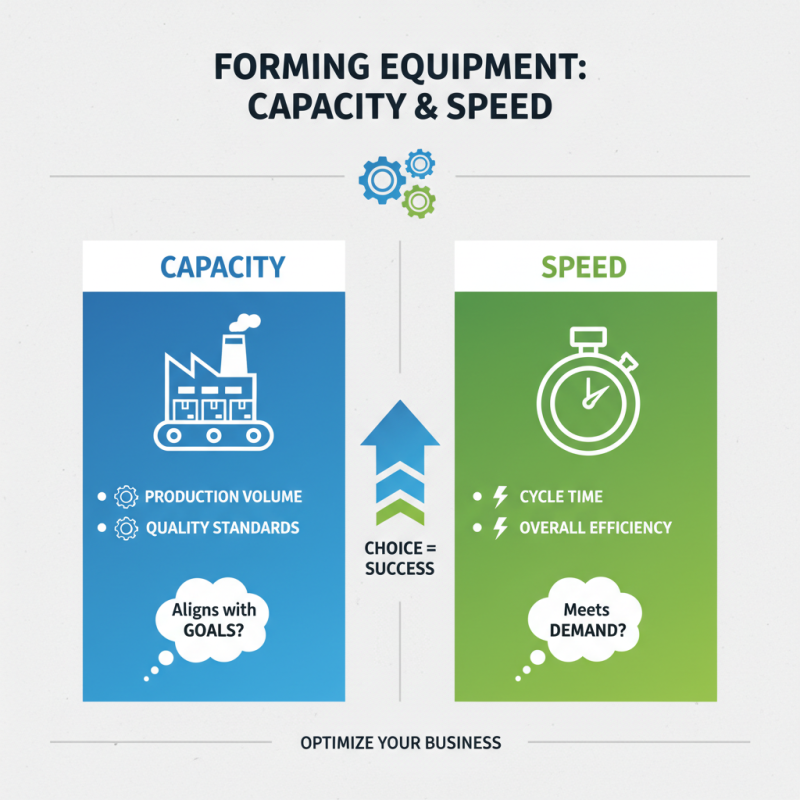
Navigating the options in forming equipment requires careful thought. Understanding your production capacity is vital. Additionally, consulting industry reports can provide insights. Yet, many businesses fail to adapt their equipment to changing demands. Reflecting on past choices can guide future investments, ensuring that the equipment aligns with goals.
Understanding Your Business Requirements for Forming Processes
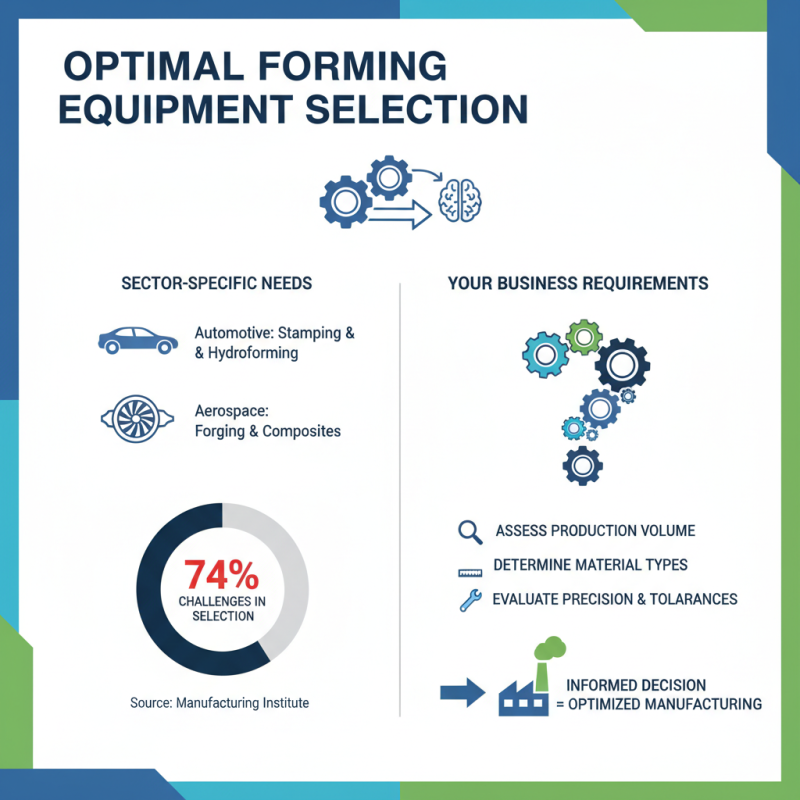
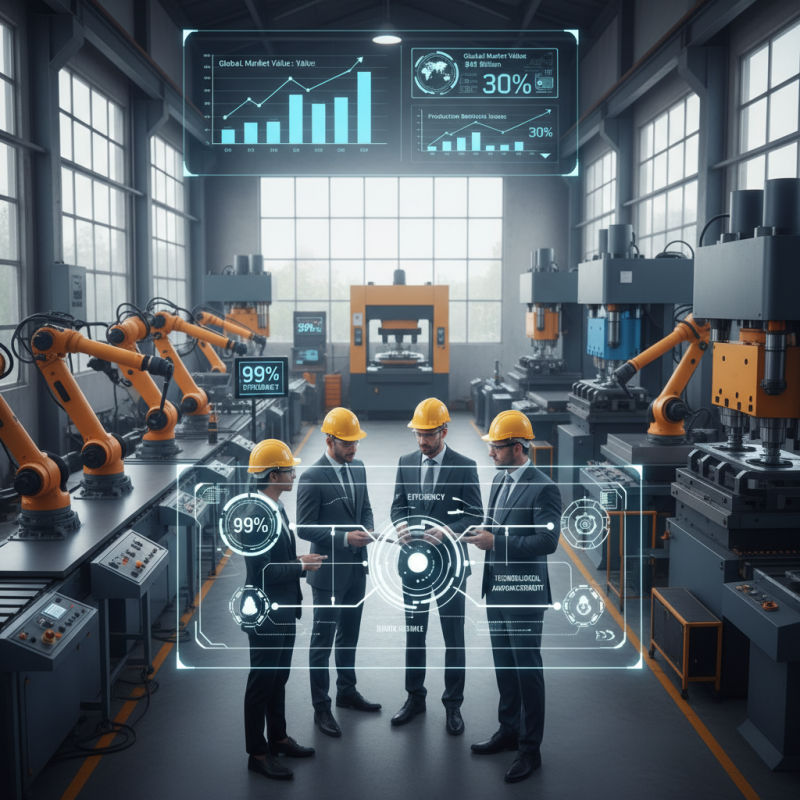
Choosing the right forming equipment requires a deep understanding of your business requirements. Various sectors, such as automotive and aerospace, demand specific forming processes. A report from the Manufacturing Institute reveals that 74% of companies experience challenges in equipment selection. This statistic highlights the importance of assessing your unique needs before making a decision.
First, consider the types of materials you will use. Steel and aluminum have different forming requirements. Equipment suitable for one material might not work well for another. Additionally, production volume plays a critical role. Low-volume needs may not justify expensive machinery. High-volume production, however, can benefit from automated systems. The right choice can enhance efficiency and reduce waste.
Another factor is the skill level of your workforce. Advanced equipment may require specialized training, which can impact your timeline. A complex machine could lead to maintenance challenges if your team lacks experience. Spend time evaluating your operational capabilities. This will guide your decision and help avoid costly mistakes.
Types of Forming Equipment and Their Applications
When selecting forming equipment, understanding the different types is crucial. The market offers various options, including extrusion, molding, and forging equipment. Each type serves specific applications. For instance, extrusion can create long shapes, while molding allows for complex designs. According to industry reports, the global molding equipment market is projected to grow by 5% annually through 2025.
Finding the right equipment involves careful consideration. Look for machinery that aligns with your production volume and material type. Evaluate the flexibility of the equipment, as this can affect your ability to adapt to changing market demands. Remember, not all machines can handle varying materials or sizes equally well.
Tip: Assess your current production needs and future goals. This reflection can help identify the most suitable equipment. Also, consider consulting with industry experts to avoid common pitfalls. Their insights might save you time and resources. Balancing cost with quality is essential, and it's easy to overlook performance when rushing decisions. Invest time in research to make informed choices.
Assessing Budget and Cost-effectiveness of Equipment
When assessing the budget and cost-effectiveness of forming equipment, several key factors come into play. Industry data suggests that 70% of businesses experience budget overruns. This can be attributed to underestimating maintenance and operation costs. Investing in equipment is often seen as a one-time expense, but the ongoing costs can significantly affect profitability.
Understanding total cost of ownership (TCO) is crucial. TCO includes initial investment, maintenance, energy consumption, and labor costs. A report from a manufacturing association indicates that companies often overlook energy efficiency. For example, energy-efficient machines can reduce operational costs by 20% over five years. This aspect is frequently neglected during initial evaluations.
Evaluating financing options can also impact cost-effectiveness. Many businesses may prioritize low upfront costs, but this can lead to higher long-term expenses. Strategic planning and comprehensive cost analysis help address this issue. Discussing potential hidden costs early in the decision-making process is essential. It can help clarify the actual financial commitment involved in selecting forming equipment.
How to Choose the Best Forming Equipment for Your Business Needs?
| Equipment Type |
Initial Cost ($) |
Maintenance Cost/year ($) |
Production Capacity (units/hour) |
Energy Efficiency (kWh/unit) |
Cost-effectiveness (Cost per unit produced $) |
| Hydraulic Press |
50000 |
2000 |
100 |
0.5 |
600 |
| CNC Machine |
80000 |
3500 |
150 |
0.6 |
800 |
| Roll Forming Machine |
65000 |
2500 |
200 |
0.4 |
675 |
| Injection Molding Machine |
75000 |
3000 |
120 |
0.7 |
975 |
| 3D Printer |
20000 |
500 |
50 |
0.3 |
1500 |
Considering Maintenance and Support Services for Equipment
When selecting forming equipment, maintenance and support services are crucial. Many businesses overlook these aspects, thinking only about initial costs. Equipment may require regular servicing. Neglecting maintenance can lead to more significant issues down the line. When machines break down, production halts. This results in lost time and revenue.
Support services can vary significantly between providers. It is vital to check the response times for repairs. Some companies may offer 24/7 support, while others operate only during business hours. Consider the experience of the technicians who will handle repairs. Unqualified staff may cause more harm than good. Evaluate customer reviews to get a clearer picture.
Training is another component that often gets overlooked. Proper training helps operators manage equipment efficiently. Lack of training leads to misuse and accidents. Poor handling can damage the machines or compromise product quality. Reflect on your team’s expertise before making a decision. Informed choices are essential for long-term success.