How to Choose the Right Dairy Equipment for Your Business Needs?
Choosing the right dairy equipment can significantly impact your business. The right tools enhance productivity and ensure quality products. With various options available, navigating through these choices may feel overwhelming.
When selecting dairy equipment, consider your specific needs. Different types serve unique purposes. For instance, pasteurizers differ from separators in function. Assess your production volume and facility layout to identify what fits best. Details matter. Equipment should cater to both workflow and safety standards.
Many businesses make the mistake of prioritizing cost over quality. It is crucial to reflect on the long-term benefits. Investing in reliable dairy equipment can lead to cost savings over time. Aim for a balance between functionality and budget. Your choices should reflect both current and future demands. Focus on building a solid foundation for your dairy operations.
Understanding Your Business Needs for Dairy Equipment
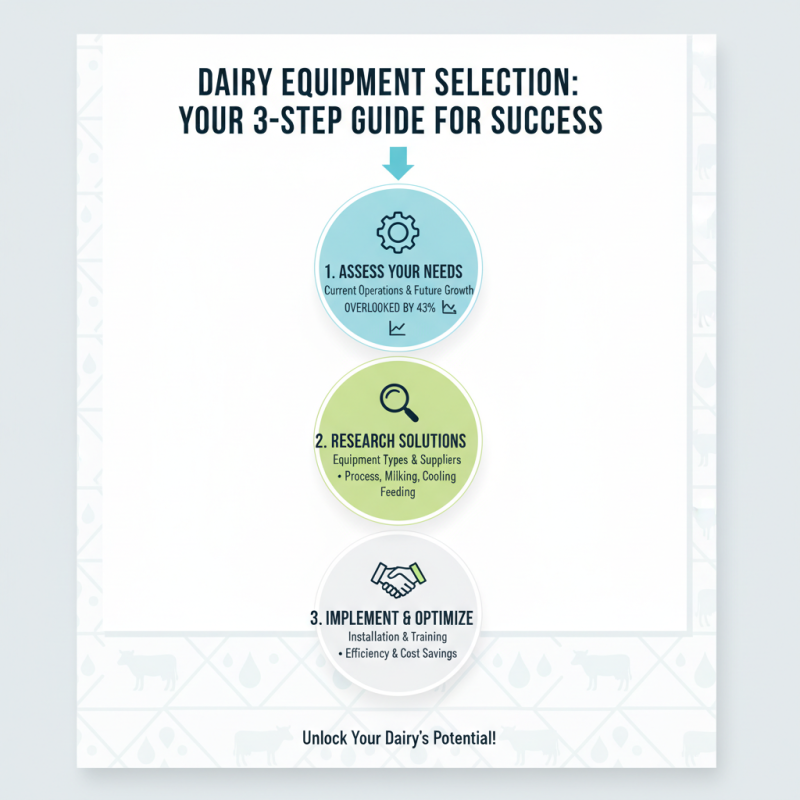
Understanding your business needs for dairy equipment is essential for success. Many dairy businesses often overlook this step. According to industry reports, 43% of dairy producers struggle with selecting suitable equipment. These challenges can lead to inefficiencies and increased costs. A thorough assessment of your operations is vital.
Consider your production scale. Small farms may not need large pasteurizers. On the other hand, large operations require advanced machines to handle high volumes. This mismatch can result in wasted resources. Additionally, monitor your product types. Equipment needs vary for cheese, yogurt, or fluid milk production. A survey showed that 52% of dairy processors faced delays because of improper equipment choices.
Also, think about your budget. Investing in top-of-the-line machinery can be tempting. However, balance quality and affordability. Data reveals that 60% of dairy businesses wish they had spent more time planning their equipment purchases. Learn from their mistakes and take a hard look at your specific requirements. Tailor solutions to fit your unique production scenario. This approach will serve you better in the long run.
Types of Dairy Equipment: An Overview of Possible Options
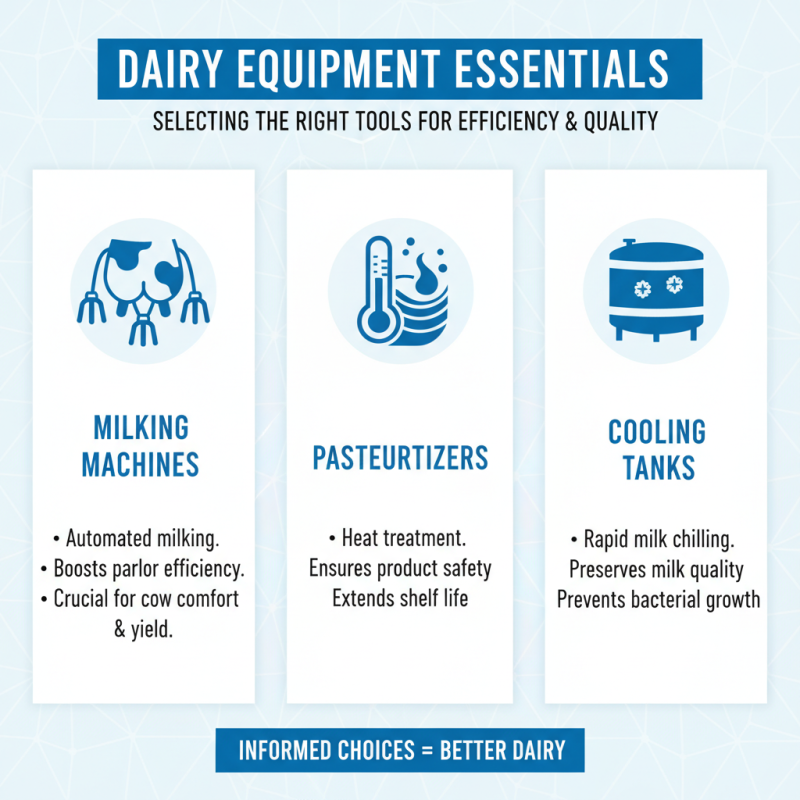
When selecting dairy equipment, understanding the options available is essential. There are various types of dairy equipment, each serving a unique purpose. Common categories include milking machines, pasteurizers, and cooling tanks. Each equipment type impacts efficiency and product quality.
Milking machines are vital for dairy farms. They save labor and time. A good system can increase milk yield. However, maintenance is crucial. Equipment can fail unexpectedly, causing delays. It's wise to have a backup plan.
Pasteurizers come next. They ensure safety by eliminating harmful bacteria. Choosing the right pasteurizer is important. A small farm may not need the same capacity as a large facility. Assess your needs carefully.
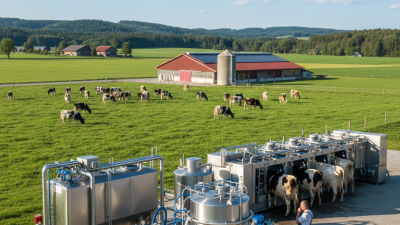
Cooling tanks are equally important. They keep milk fresh until it is collected. A well-insulated tank can lower energy costs. However, be mindful of how it fits into your space. Too large a tank may complicate operations.
Tips:
Consider the energy efficiency of each equipment. Look for options that fit your layout. Avoid rushing the decision; consider your growth plans. Each choice will shape your business's future.
Evaluating Equipment Efficiency and Energy Consumption
Choosing the right dairy equipment requires careful consideration of efficiency and energy consumption. Efficiency is not just about output. It affects operational costs and sustainability, too. Equipment that operates at higher efficiency often leads to reduced waste and lower energy bills. Think about how much energy each machine consumes. Look for specifications that highlight energy-saving features.
In practice, this requires digging deeper than surface-level claims. Some machines may seem efficient but might have hidden energy costs. Assessing energy consumption rates is crucial. Review operational data to identify peak usage periods. This can highlight opportunities for further savings. Balancing efficiency with initial investment costs is a challenge.
Sometimes, it’s about trial and error. What works for one operation might not suit another. Testing different equipment is essential. Gather feedback from staff using the machines daily. Their insights can reveal practical efficiency gains or losses. It's a reminder that no equipment is perfect. Each choice needs regular evaluation and reflection. Doing so fosters a proactive approach to energy management in your dairy business.
Budget Considerations: Cost vs. Long-term Value
Choosing the right dairy equipment can be a daunting task. Budget considerations play a crucial role in this decision. You might feel tempted to opt for cheaper options. However, this often leads to higher costs in the long run. Equipment that breaks down frequently or requires costly repairs can drain your finances.
Consider the long-term value of each piece of equipment. Investing in high-quality machines tends to be more beneficial. They often come with warranties and better support. You may not notice the savings immediately, but they accumulate over time. Think about energy efficiency as well. Equipment that consumes less energy can save money on utility bills.
Don’t overlook maintenance costs. Cheaper equipment might need more repairs, which adds up. Also, think about how the equipment meets your specific needs. If it doesn’t fit your operations, it might hinder productivity. Reflect on your growth aspirations too. Choosing equipment that can scale with your business will save you from repeated purchases.
Maintenance and Support: Ensuring Longevity of Your Equipment
Choosing dairy equipment requires careful thought. Maintenance is critical for longevity. Regular cleaning is necessary to prevent buildup. Monitoring performance can help identify issues early.
Support services should be part of your decision. Reliable technicians can prevent downtime. Training staff on proper use is essential. Mistakes can lead to costly repairs. Remember, equipment age matters. Older machines may need more frequent attention.
Creating a maintenance schedule is wise. Regular checks can prolong equipment life. Spare parts should be easily accessible. Unexpected breakdowns can disrupt operations. Investing time in proper maintenance pays off. It saves money and reduces stress.