How to Choose the Right Food Manufacturing Machinery for Your Business?
Choosing the right food manufacturing machinery for your business is crucial. The type of machinery you select can directly impact productivity and efficiency. Each food manufacturing operation has unique needs. Sometimes, businesses overlook critical details in their choices.
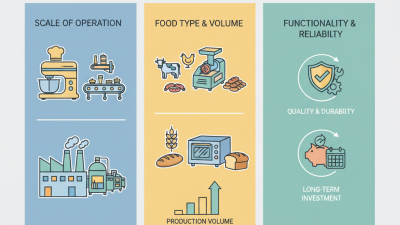
For instance, consider the type of food you produce. Different products often require different machines. This decision can affect not just output, but also quality. A machine that fits one operation might not suit another. Additionally, budget constraints can complicate the decision-making process.
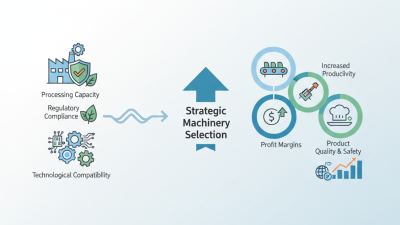
Many manufacturers focus on cost alone. Sometimes, lower prices lead to lower quality. This can result in higher maintenance costs and lost production time. Reflect on your long-term goals. Investing in reliable food manufacturing machinery could save your business from challenges down the line.
Understanding Your Food Manufacturing Needs
When selecting food manufacturing machinery, understanding your specific needs is crucial. Assess the types of products you plan to produce. Different products require different machinery. For example, if you're producing liquid foods, you'll need filling machines. Solid foods need packing machines with varying capacities. Evaluating your product line assists in making informed decisions.
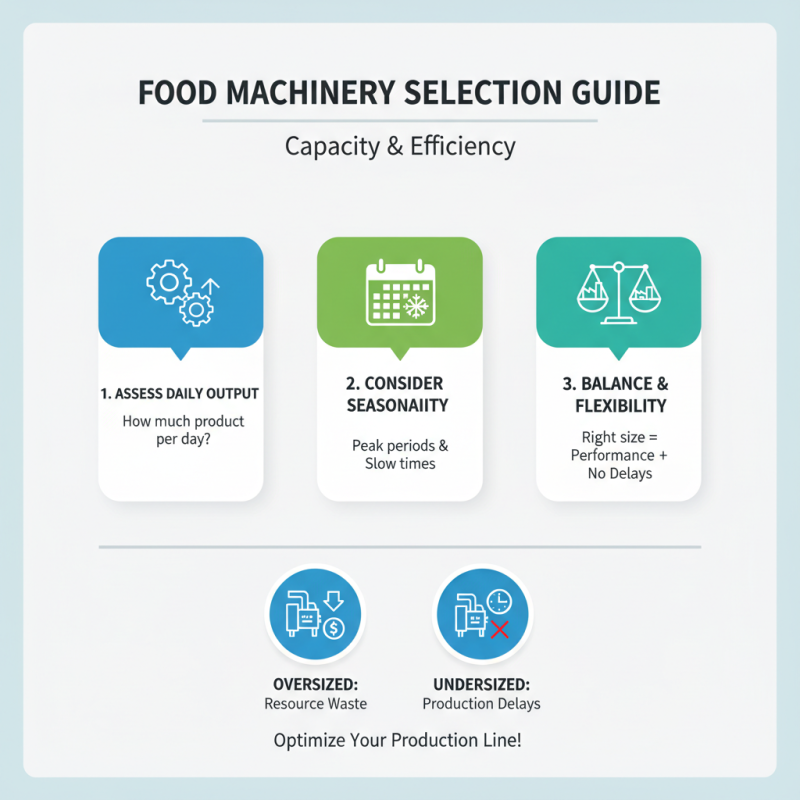
Tips: Always consider the volume of production you require. Is it small-scale or large? Knowing this helps in selecting the appropriate equipment size. Also, think about the space you have available. Can your facility accommodate large machines? Machinery should fit your production floor without causing workflow issues.
Reflect on your budget, but don't compromise on quality. Cheaper options might lead to frequent breakdowns. This can impact your production timelines. Review the maintenance requirements of machinery too. Complex machines might require specialized service, which could lead to unexpected costs. Take the time to research and consult others in the industry. This could save you from costly mistakes.
Evaluating Different Types of Food Manufacturing Machinery
When evaluating different types of food manufacturing machinery, it’s crucial to consider your production needs and goals. The global food processing machinery market is expected to reach USD 98.5 billion by 2025, growing at a CAGR of 7.3% from 2020. Such growth indicates the importance of investing in the right machinery for efficiency and quality.
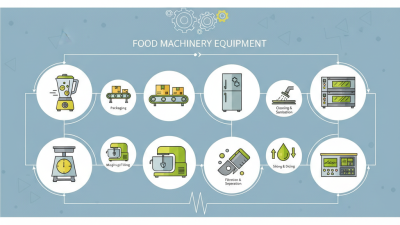
Various types of machinery are available, including mixers, slicers, and conveyors. Each type serves a specific purpose in the production line. For example, mixers enhance ingredient blending, while slicers improve product uniformity. A recent survey noted that 60% of manufacturers felt that choosing the right equipment increased their overall productivity. However, some businesses reported making decisions based solely on initial costs, leading to inefficiencies later on.
When selecting machinery, companies should not overlook the maintenance aspect. Regular upkeep can significantly affect performance and lifespan. Unfortunately, many businesses neglect this, resulting in costly downtimes. In some instances, a lack of proper training on new equipment usage has led to decreased production rates. Therefore, taking a holistic approach to machinery selection is essential.
Considering Safety and Compliance Standards in Machinery
When selecting food manufacturing machinery, safety and compliance should be a priority. According to the Food Safety and Inspection Service (FSIS), adherence to safety regulations can reduce product recalls. Approximately 48 million Americans get sick from food each year. This statistic highlights the critical need for compliant equipment that meets both local and federal standards.
Check certifications when evaluating machinery. Look for compliance with FDA and USDA regulations. Equipment should be designed for easy cleaning and maintenance. Inadequate hygiene can lead to contamination. Furthermore, machinery should have safety features to protect workers. Over 20,000 food manufacturing injuries occur annually, emphasizing the importance of safe machinery in the workplace. Implementing the right equipment is crucial for both employee safety and product integrity.
Ensure that machinery fits your production needs. Consider scalability as your business grows. Improper scaling can lead to operational inefficiencies. An overwhelming 70% of manufacturers acknowledge this challenge but do not prioritize equipment assessments. Investing time in evaluating safety features can pay off. Reflect on your current processes and machinery. Are they as safe and compliant as possible?
Food Manufacturing Machinery Safety and Compliance Standards
Budgeting for Food Manufacturing Equipment and Maintenance Costs
When considering food manufacturing equipment, budgeting is crucial. The initial purchase price is just one part of the equation. Maintenance costs often sneak up on businesses. Factoring these costs into your budget ensures you won’t face unwanted surprises later.
Tips for budgeting include researching the average lifespan of machinery. Some equipment may require more frequent repairs than others. Smaller, specialized machines can have lower upfront costs, but higher maintenance expenses over time. On the other hand, investing in robust machinery can lead to savings in the long run.
Another important aspect is training employees. Well-trained staff can minimize damage and extend equipment life. Remember, neglecting maintenance can lead to bigger issues down the line. Regular checks and prompt repairs are essential. Think about these factors thoroughly while planning your budget. Inadequate preparation can result in operational downtime and lost profits.