How to Choose the Right Food Packaging Equipment for Your Business?
The food packaging equipment industry is evolving rapidly due to consumer demands. A recent report from Grand View Research estimates the global food packaging market will reach $500 billion by 2026. In this landscape, choosing the right equipment is crucial for businesses aiming to stay competitive.
According to industry expert, Michael Chen, "Investing in the right food packaging equipment can significantly boost operational efficiency." Businesses often overlook the importance of this investment. Poor choices can lead to operational bottlenecks and increased waste.
The right equipment not only enhances product protection but also improves shelf life. It can create a better unboxing experience for consumers. However, finding equipment that fits specific business needs can be challenging. An under-informed choice could mean lost revenue and dissatisfied customers. Understanding the market trends and available technology is fundamental in making informed decisions in this critical area.
Understanding the Importance of Food Packaging Equipment for Your Business
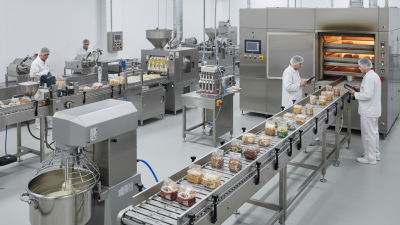
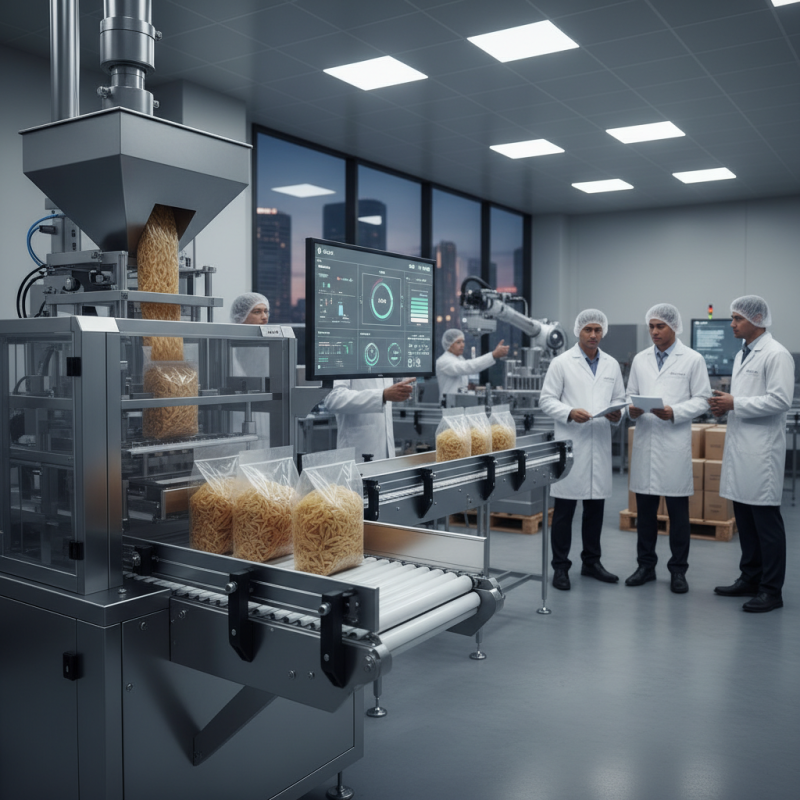
Food packaging equipment plays a crucial role in the success of any food-related business. It ensures that products remain fresh and hygienic. Well-packaged food attracts customers and can enhance brand reputation. The right equipment can help maintain product quality throughout its shelf life. It also minimizes waste, which is vital for profit margins.
Choosing appropriate packaging machinery requires careful consideration. Assess the types of food you offer; different products necessitate different packaging methods. Equipment should cater to the size and shape of your items. For instance, liquid products require different solutions compared to dry goods. Additionally, some businesses may need equipment that supports sustainability.
Investing in packaging equipment can seem overwhelming. Budget constraints often lead to compromises. It's common to choose equipment solely based on cost, rather than functionality. This can result in inefficiencies and potential losses. Ensure that you balance your budget with the long-term benefits of quality machinery. Regular evaluation and updates to your equipment are necessary as trends and technologies evolve.
Identifying Your Business Needs and Requirements for Packaging Solutions
Choosing the right food packaging equipment starts with understanding your business needs. Each food type has unique requirements. For instance, liquids require different sealing methods than dry goods. Consider your product specifications closely. Assess factors like moisture content and shelf life. These details influence your packaging choice greatly.
Tips: Evaluate your production volume. High volumes may need automated equipment. Smaller operations might find semi-automated solutions more suitable. Flexibility in packaging can be vital for changing product lines. Don’t overlook the potential for custom sizes. These can save space and reduce waste.
Reflect on your budget too. It’s tempting to go for the lowest cost, but that might compromise quality. Consider long-term investments. Reliable equipment may offer better performance over time. Also, think about maintenance needs. Frequent breakdowns can disrupt operations. Your choice should balance cost, reliability, and efficiency.
How to Choose the Right Food Packaging Equipment for Your Business?
This chart illustrates the market demand for different types of food packaging equipment. Automated packaging is the most sought after, accounting for 40% of the market, followed by semi-automated and manual options.
Exploring Different Types of Food Packaging Equipment Available in the Market
When choosing food packaging equipment, it’s essential to understand the various types available. There are several categories, including vacuum sealers, shrink wrappers, and labeling machines. Each type serves a unique purpose. Vacuum sealers extend shelf life and reduce spoilage. Shrink wrappers provide a tamper-resistant seal, making products safer. Labeling machines streamline the packaging process and ensure compliance with regulations.
Not all equipment may suit your business needs. Understand your product’s requirements before making a choice. For instance, high-speed packaging might be necessary for large operations, while artisanal producers may prefer simpler solutions. Moreover, think about the materials you use. Environmentally friendly options are becoming more important. Many businesses are moving towards recyclable or biodegradable packaging. However, transitioning can be complex and costly.
Many companies face challenges when selecting equipment. Some may overlook factors like space, maintenance, or energy consumption. These can lead to unexpected costs. It’s also crucial to consider scalability. Your current needs might change as your business grows. Investing in versatile equipment may save time and money in the long run. Always evaluate your options carefully.
Evaluating Key Features and Specifications of Packaging Equipment
When considering food packaging equipment, key features and specifications play a crucial role. Assess capacity needs carefully. How much product do you process daily? Equipment should fit your production scale. Look for machines with adjustable settings. This flexibility allows for various product sizes and types. You might think you need high-speed machines. But sometimes, slower equipment ensures better quality.
Material durability is another important aspect. Packaging should withstand transportation and storage. Materials must be food-safe. Consider machines that allow for eco-friendly materials. Think about how sustainability affects your brand image. Equipment that can handle different materials may save costs in the long run. However, it might not be easy to find a balance.
Don’t overlook maintenance requirements either. Some machines need more upkeep than others. Regular maintenance can be time-consuming. A machine that breaks down often leads to lost productivity. Think about ease of use too. Complex machines can confuse staff. Ultimately, reliable equipment boosts efficiency. But always weigh features against your specific needs.
Assessing Budget and Cost-Effectiveness in Packaging Equipment Selection
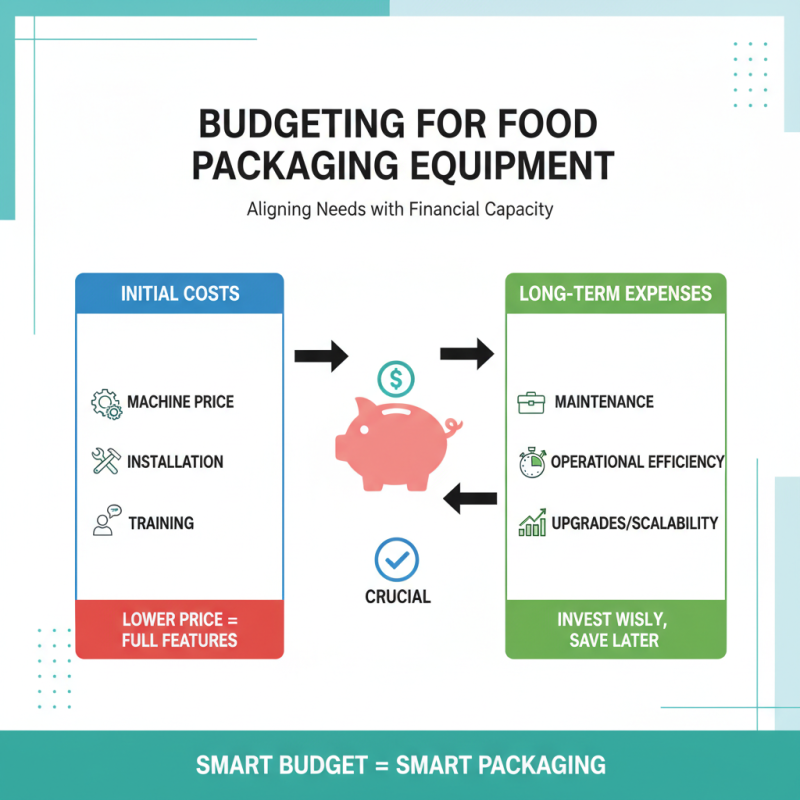
Budget considerations play a vital role in selecting food packaging equipment. Aligning your needs with your financial capacity is crucial. You should start by evaluating initial costs, which include machine prices, installation, and training. While lower-priced options can be tempting, they may lack essential features. Consider long-term expenses too.
Maintenance costs can accumulate significantly over time. Cheap machines might require more frequent repairs, which could lead to unforeseen expenses. Investing in durable equipment often pays off in the long run. It’s also wise to think about energy efficiency. Machines that consume less power save money on electricity bills.
Don’t overlook the potential return on investment. An efficient packaging process can speed production and reduce waste. This makes choosing the right equipment essential for your business’s growth. Inadequate machinery can slow operations and hurt profits. Mistakes in equipment selection can lead to costly delays and dissatisfied customers. Careful analysis now can prevent regrets later.