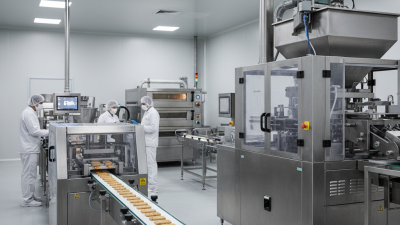
Choosing the right food manufacturing equipment is crucial for success in the food industry. Expert Maria Thompson, a seasoned consultant in food processing, emphasizes, "The right equipment can streamline operations and enhance product quality." Investing in high-quality machinery directly impacts efficiency and safety.
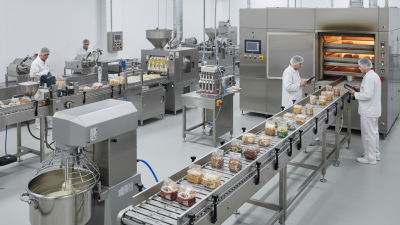
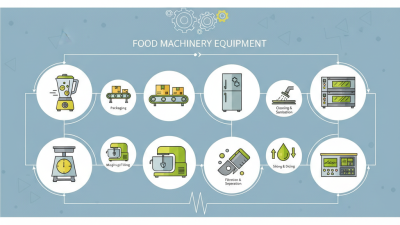
Food manufacturing equipment is not just about automation; it includes mixers, conveyors, and packaging machines. Each piece plays a vital role in maintaining consistency. For example, an efficient mixer reduces waste during production. However, choosing the right equipment is often overlooked by many companies.
Some businesses may opt for cheaper options or outdated machinery. This can lead to higher maintenance costs and reduced production quality. In this fast-paced industry, making informed decisions is essential. Investing thoughtfully in food manufacturing equipment not only supports growth but also ensures compliance with health standards.
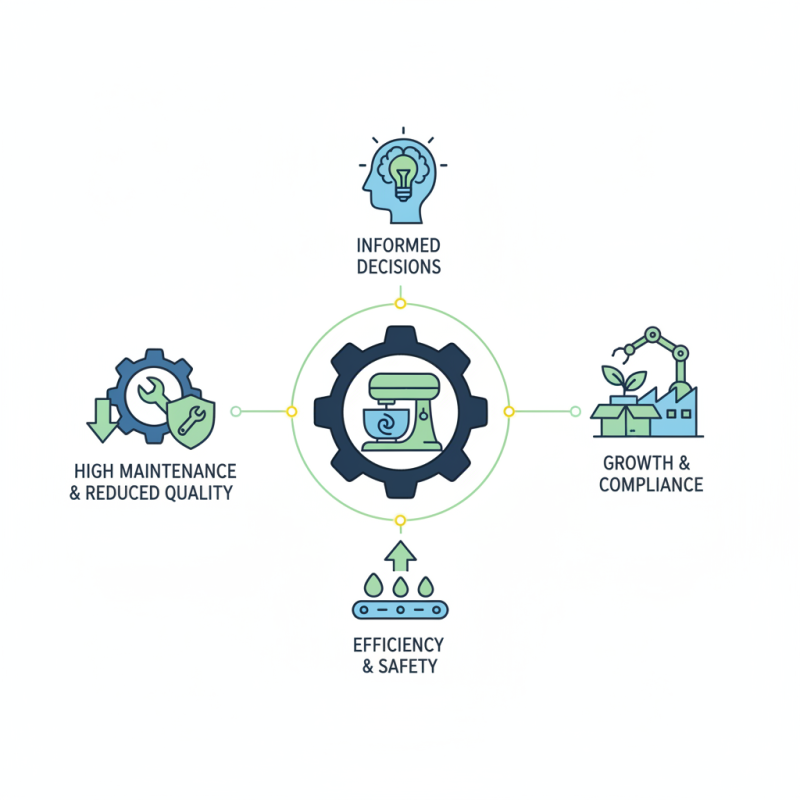
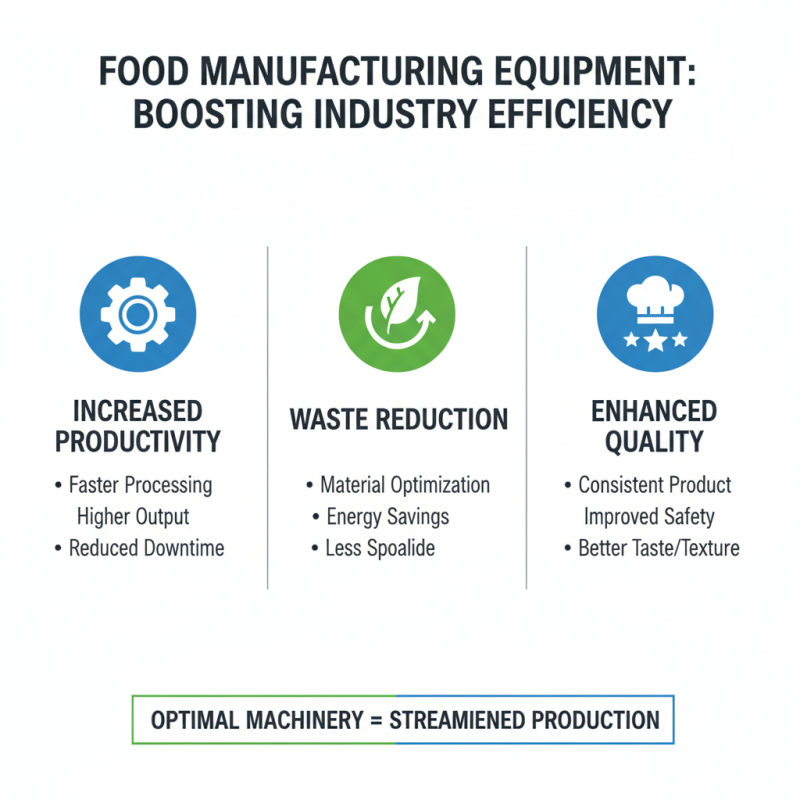
In the food manufacturing industry, equipment efficiency plays a critical role. Choosing the right machinery boosts productivity and reduces waste. Properly selected equipment also influences the quality of the final product. When machinery functions optimally, it can streamline processes and enhance overall production.
One essential tip is to assess your production needs. Consider volume, type of food, and required processing steps. Bundling various functionalities in one machine can save space and costs. However, be wary of over-complicating equipment, as it may lead to maintenance issues.
Another important aspect is regular maintenance. Equipment that is not well-maintained can cause delays. Schedule routine check-ups to ensure maximum efficiency. It's also crucial to train staff properly to handle the machinery. Undertrained operators may inadvertently reduce equipment effectiveness. Focus on creating a culture of continuous learning and improvement. This will help in adapting to evolving industry standards.
When evaluating food manufacturing equipment, it’s essential to understand the various types available and their specific uses. Processing equipment, for instance, plays a critical role in transforming raw ingredients into consumer-ready products. According to a report from MarketsandMarkets, the global food processing equipment market is projected to reach over $95 billion by 2026, highlighting the growing importance of these tools.
Conveyors and packaging machines are equally important. They ensure efficiency and quality in the production line. Research shows that automated packaging can reduce labor costs by up to 20%. However, the choice of the right equipment isn't always straightforward. Older machines may still work but lack the efficiency of modern counterparts, which can lead to increased operational costs.
In addition, maintenance and adaptability are crucial considerations. Equipment should not only meet current production needs but also be flexible enough for future changes. The need for compliance with food safety standards also cannot be overlooked. Not all equipment meets the stringent regulations, leading to potential risks. Decision-makers should invest time in evaluating equipment that aligns with both immediate needs and long-term goals.
When evaluating the cost-effectiveness of food manufacturing equipment, several factors come into play. Initial investment costs can be daunting, but they must be weighed against long-term benefits. Reliable equipment can improve efficiency. This leads to reduced downtime and operational delays. Beyond price tags, consider maintenance needs and potential repairs. Equipment that requires frequent servicing can inflate costs unexpectedly.
The right equipment boosts productivity and ensures quality. High-quality machinery tends to last longer and perform better. Yet, not all high-cost items guarantee satisfaction. Some may not meet specific production needs. A detailed assessment of production processes can highlight equipment suitability. This helps avoid unnecessary spending on features that aren't utilized.
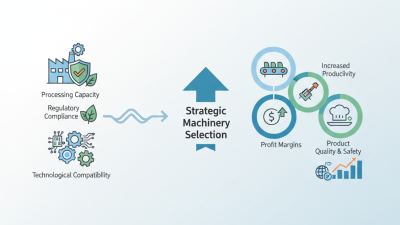
Lastly, gather insights from industry peers. Their experiences can shed light on equipment performance over time. A piece of equipment may look appealing on paper. Real-world results can vary significantly. Understanding these dynamics is essential to making informed choices. Investing wisely can lead to both enhanced operational efficiency and profit margins.
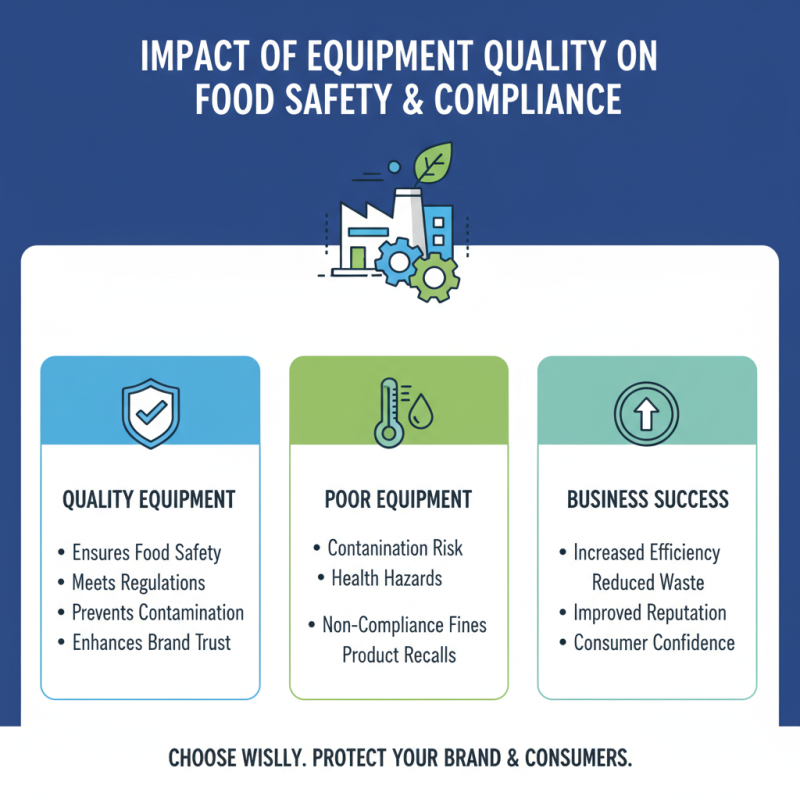
Choosing the right food manufacturing equipment is crucial for business success. Quality equipment directly affects food safety and compliance standards. Poor-quality machinery can lead to contamination, resulting in health risks. This can damage your brand and credibility.
In selecting equipment, prioritize durability and hygiene. Stainless steel materials are often preferred for their resistance to bacteria. Regular maintenance is essential to ensure compliance with safety regulations. Don’t overlook the importance of reliable suppliers. An unreliable source might compromise your production.
**Tips:**
Always conduct thorough testing of your equipment. Engage with industry experts to ensure you understand the compliance requirements. Invest time in employee training on proper equipment use. This fosters a culture of safety and accountability within your organization. Quality equipment protects your product, your team, and your customers.
The stakes are high. A single mistake can have serious consequences. Reflect on your equipment choices frequently. Are they meeting current safety standards? Re-evaluate as necessary.
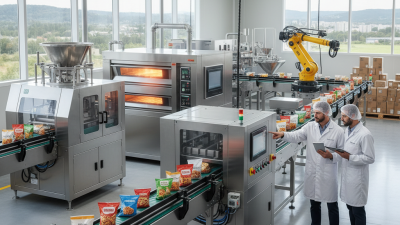
Technological innovations are reshaping food manufacturing. Automation, for instance, streamlines production. Machines are becoming smarter, reducing human error. This shift can lead to significant cost savings. Companies are investing in equipment that integrates with data analytics. This helps in monitoring quality and enhancing efficiency.
Industry trends reflect growing consumer demands. Equipment must adapt to produce organic and sustainable products. Flexibility is key in the modern manufacturing landscape. The ability to switch between products quickly is increasingly important. Manufacturers face challenges in keeping up with these rapid changes.
Training employees to operate new technology is essential. Not all workers are prepared for high-tech environments. Implementation can be difficult, leading to mistakes. The evolving landscape requires continuous learning. Companies may struggle to balance efficiency and quality. Adapting to these trends is not always straightforward.
| Equipment Type | Key Features | Industry Trends | Benefits |
|---|---|---|---|
| Automated Mixing Systems | Precision control, time-saving, consistency | Increased automation, demand for precision | Improved product quality, scalability |
| Packaging Machines | Versatile packaging options, speed | Sustainability trends, customized packaging | Enhanced brand image, reduced waste |
| Food Processing Equipment | Energy-efficient, multifunctional | Focus on energy savings, multifunctionality | Cost savings, increased production |
| Quality Control Systems | Real-time monitoring, data analytics | Emphasis on safety and compliance | Reduced recall risks, consumer trust |
+44 (0)1373 831 373