Why Is Cheese Machinery Essential for Modern Dairy Production?
In the world of modern dairy production, cheese machinery plays a pivotal role. Industry expert Dr. Emily Hawkins states, “Investing in advanced cheese machinery enhances both quality and efficiency.” This reveals a crucial truth about the dairy sector.
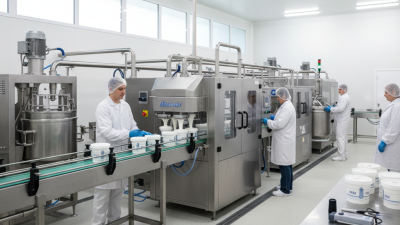
Cheese machinery encompasses complex equipment designed to streamline production. From curd cutting to whey separation, every machine serves a unique purpose. The intricacies of these processes highlight the need for precision. In a market driven by quality, the importance of reliable machinery cannot be overstated.
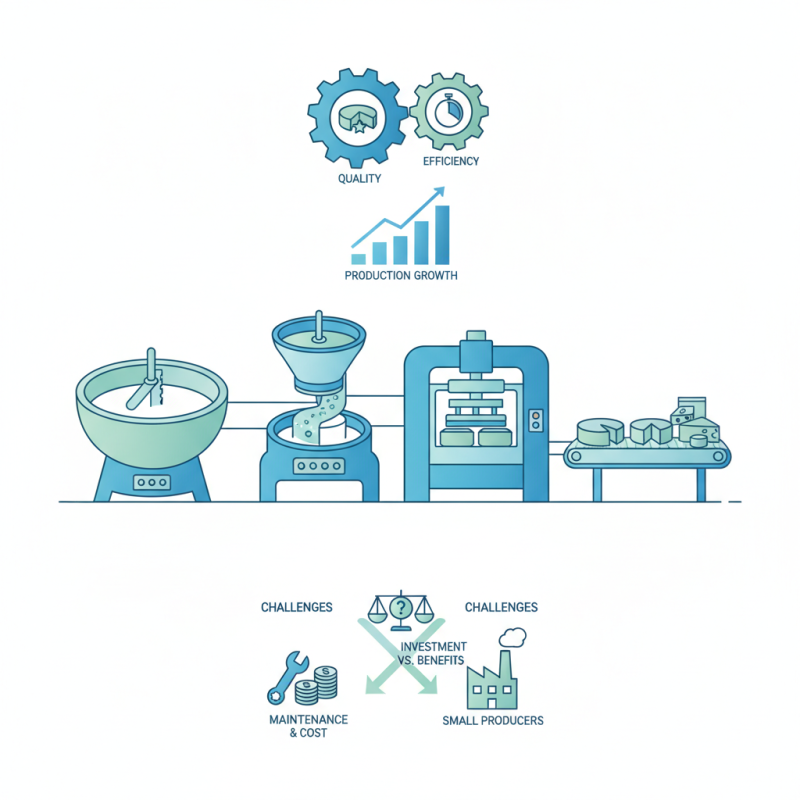
However, there are challenges. Maintaining these machines can be costly and time-consuming. Smaller dairy producers may struggle with this investment. They must weigh the benefits against potential setbacks. As the industry evolves, the ongoing discussion about balancing machinery costs and production quality remains vital.
The Role of Cheese Machinery in Dairy Production Efficiency
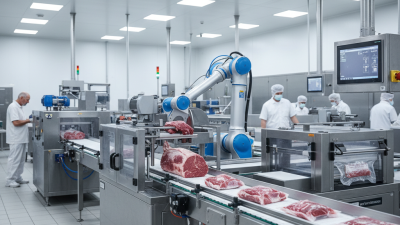
Cheese machinery plays a crucial role in enhancing dairy production efficiency. Modern production lines integrate advanced technologies. These systems can process up to 20,000 liters of milk daily. This capability significantly reduces labor costs and increases output. In fact, a recent report by the International Dairy Federation noted that automation can boost production efficiency by up to 25%.
However, the adoption of new machinery comes with challenges. Many smaller farms struggle to invest in advanced cheese-making equipment. The initial costs can be daunting. Some reports suggest that up to 40% of dairy producers still rely on outdated methods. This reliance can lead to inefficiencies and waste. It's essential for these producers to rethink their operational strategies.
The efficiency gains from modern machinery also bring concerns over quality control. Machine errors can affect flavor and texture. Inconsistent results may frustrate customers. The industry needs ongoing training and adjustments to technology. Balancing technology with artisanal practices is a complex task. As cheese production continues to evolve, the relationship between machinery and quality must be carefully managed.
Types of Cheese Machinery Used in Modern Dairy Operations
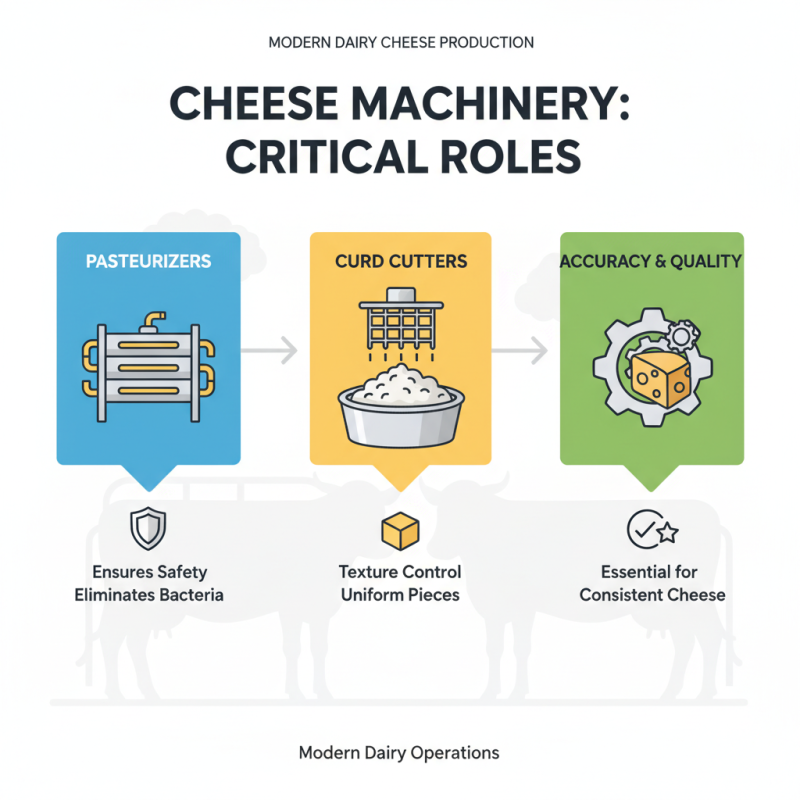
In modern dairy operations, cheese machinery plays a critical role. Different types of machinery are designed for various stages of cheese production. From pasteurizers to curd cutters, each machine fulfills a specific need. Pasteurizers eliminate harmful bacteria, ensuring safety. Curd cutters help achieve the desired texture by cutting the curds into uniform pieces. Accuracy in these processes is essential for quality cheese.
Another important machine is the cheese vat. It allows for controlled heating and mixing, which impacts flavor and consistency. However, improper use can lead to unwanted results. For instance, if the temperature is too high, it may alter the curd’s structure. Meanwhile, aging rooms are essential for maturing cheese. They must maintain consistent humidity and temperature.
Quality control machinery is also crucial in the process. It helps monitor pH levels and moisture content. Any fluctuations can compromise the final product. However, investing in such technology requires careful consideration of costs versus benefits. Balancing precision with practicality presents a challenge. Each step in cheese production is interconnected, making cheese machinery an indispensable part of modern dairy operations.
Impact of Cheese Machinery on Product Quality and Safety Standards
Cheese machinery plays a key role in ensuring product quality and safety standards in modern dairy production. These machines streamline processes and minimize human error. For instance, automated cheese vats maintain precise temperatures, crucial for proper curd formation. Consistent temperatures allow flavors to develop fully.
Moreover, advanced filtration systems aid in removing contaminants, enhancing product safety. This process is vital, as even minor impurities can lead to spoilage. Regular maintenance of machinery is often overlooked. Neglect can compromise both safety and quality. Operators need to stay vigilant and informed about the machines' conditions.
The training of staff is equally important. Adequate training reduces mistakes that affect cheese quality. However, there are still instances where human error disrupts the process. Understanding these flaws can lead to more effective training programs. Investing in machinery is essential, but equally critical is fostering a culture of quality awareness among all team members.
Why Is Cheese Machinery Essential for Modern Dairy Production? - Impact of Cheese Machinery on Product Quality and Safety Standards
| Dimension |
Description |
Impact on Quality |
Impact on Safety Standards |
| Cheese Press |
Used to remove whey and shape cheese |
Enhances texture and consistency |
Reduces bacterial growth through efficient whey removal |
| Pasteurizer |
Heat treatment to kill pathogens |
Improves flavor development |
Ensures compliance with safety regulations |
| Centrifuge |
Separates cream from whey |
Enhances creaminess in the final product |
Minimizes contaminants in cheese |
| Curd Cutter |
Cuts curds into appropriate sizes |
Affects moisture content and texture |
Ensures uniform cooking and consistency |
| Cheese Molds |
Shapes and supports the cheese during aging |
Affects final appearance and texture |
Prevents contamination during aging |
Technological Innovations in Cheese Production Equipment
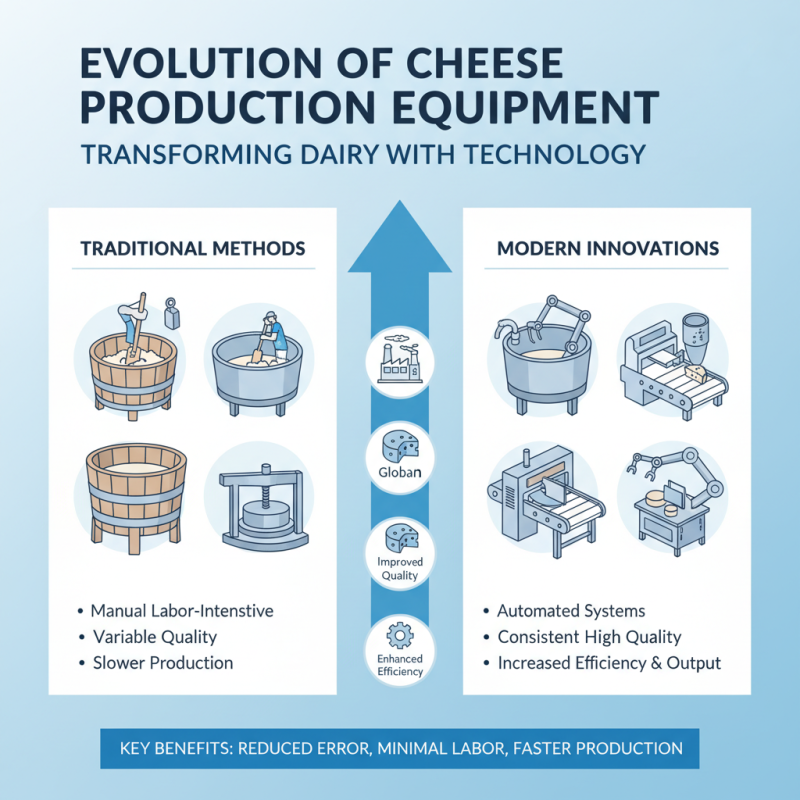
The evolution of cheese production equipment has transformed the dairy industry significantly. Technological innovations enhance efficiency and quality. Advanced machines streamline processes, from curd formation to packaging. Automated systems minimize manual labor and reduce human error. This is crucial in meeting growing consumer demands.
Modern cheese machinery incorporates sensors and software. These technologies provide real-time data during production. Producers can monitor temperature and moisture levels precisely. However, the reliance on technology raises concerns about oversimplification. Machines may overlook nuances of traditional cheese-making. The art of cheese requires a human touch, which cannot be easily replaced.
Sustainability is another consideration. New equipment often uses less water and energy. Yet, some innovations lead to increased waste. Manufacturers should balance efficiency with environmental impact. Exploring ways to integrate traditional methods with modern technology may offer solutions. In the end, finding harmony between machinery and craftsmanship could define the future of cheese production.
Economic Advantages of Investing in Cheese Machinery for Dairy Farms
In modern dairy production, cheese machinery plays a crucial role. Efficient processing equipment can enhance productivity significantly. Dairy farms that invest in machinery often see a faster return on investment. Improved efficiency reduces labor costs and minimizes waste. Farmers can transform milk into cheese more rapidly, meeting market demands better. Each hour saved in processing translates into increased profits.
Moreover, advanced cheese machinery allows for product variety. Farms can produce different cheese types without significant downtime. This flexibility helps capture diverse consumer preferences. However, the initial investment can be daunting. Some farmers hesitate, fearing the financial risk. But with careful planning, these investments can pave the way for growth.
Yet, challenges remain. Not all farms may have the capital to invest upfront. Maintenance costs can also add pressure. As technology evolves, keeping up can be complex. Understanding these factors is vital for long-term success. Balancing risk and opportunity in dairy production is a constant learning process.
Economic Advantages of Investing in Cheese Machinery for Dairy Farms