Top 10 Food Manufacturing Machinery Innovations You Should Know?

In the ever-evolving world of food manufacturing machinery, innovation is key. Recent advancements have transformed how food is produced. These changes enhance efficiency and safety in the industry.

New technologies have brought forth machinery that can streamline processes. For instance, automated systems reduce human error. This is crucial for meeting rising consumer demands. Many companies have embraced smart machines, which optimize production lines. These innovations can lead to impressive cost savings.

However, not all new developments have been flawless. Some systems require extensive training. Machines can also face compatibility issues with existing equipment. Ultimately, as the sector continues to grow, it's essential to reflect on these challenges. Innovations in food manufacturing machinery are not just about progress; they also invite careful consideration.
Top 10 Food Manufacturing Machinery Innovations You Should Know?

The Rise of Automation in Food Manufacturing Machinery

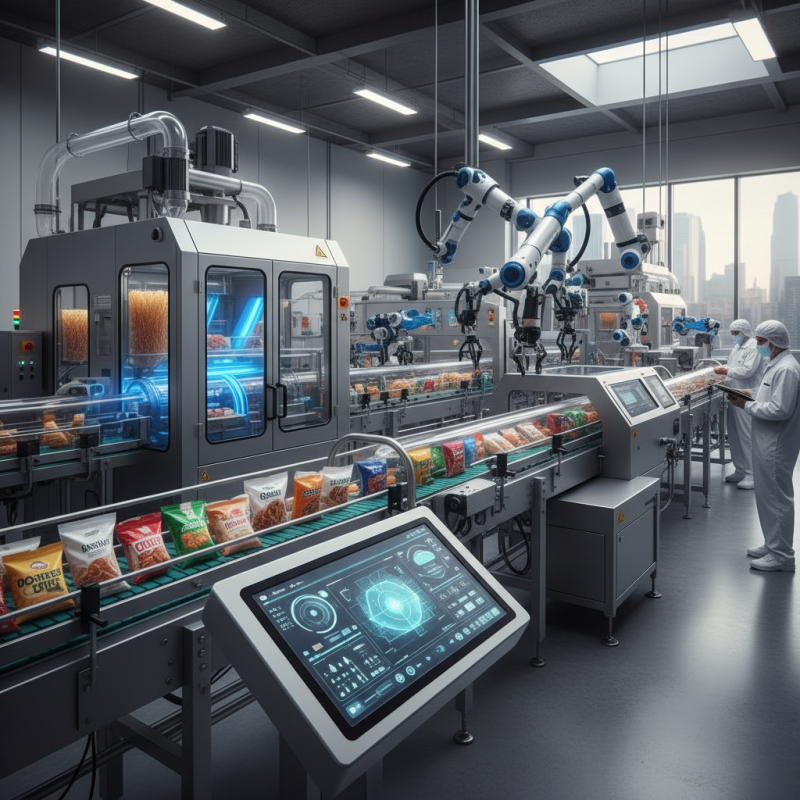
The rise of automation in food manufacturing machinery is reshaping the industry. A recent report from the Food Processing Machinery Market estimated a growth rate of 6.9% from 2021 to 2028. This trend is driven by the need for efficiency and cost reduction. Automated systems streamline production processes, making them faster and more reliable.

However, the transition to automation isn’t without challenges. Workers often face uncertainty about job security. Bridging the skills gap is crucial. Many workers need training to adapt to new technologies. According to the World Economic Forum, about 85 million jobs may be displaced by 2025 due to automation. Still, 97 million new roles could emerge, focusing on technology management and maintenance.

Many companies are exploring robotics and AI to enhance operations. For example, advanced sensors improve quality control, while predictive maintenance minimizes downtime. Yet, the initial investment can be a barrier. Companies must weigh long-term gains against upfront costs. Automation is a double-edged sword; it offers great potential but also demands careful consideration.

Top 10 Food Manufacturing Machinery Innovations You Should Know

Innovation Description Impact Adoption Rate (%)
Robotic Process Automation Automating tasks such as packaging and sorting using robots. Increased efficiency and reduced labor costs. 65%
IoT Connectivity Integration of smart sensors to monitor machinery performance. Improved predictive maintenance and reduced downtime. 50%
3D Food Printing Using 3D printers to create custom food items. Reduced waste and enhanced customization. 30%
AI in Quality Control Using AI algorithms to detect product defects. Higher consistency in product quality. 45%
Blockchain for Traceability Tracking food supply chain to ensure safety and authenticity. Enhanced transparency and trust in food products. 20%
Energy-Efficient Machinery Machinery designed to reduce energy consumption. Lower operational costs and reduced environmental impact. 55%
Automated Inventory Management Systems to monitor and manage inventory levels automatically. Reduced waste and improved supply chain efficiency. 70%
Advanced Simulation Technology Using simulations to optimize production processes. Increased overall productivity with minimal trial and error. 40%
Augmented Reality for Training Using AR to provide immersive training experiences for workers. Faster and more effective worker onboarding. 15%
Contactless Food Processing Technologies that minimize human contact during food processing. Enhanced food safety and hygiene standards. 35%

Revolutionizing Food Processing: Advances in Conveying Systems

The food processing industry is undergoing a revolution, especially in the realm of conveying systems. Innovations in this area are vital for enhancing efficiency. A recent report highlighted that advanced conveying systems can increase productivity by up to 30%. This boost in output translates to significant cost savings for manufacturers.

Modern conveying technologies now use advanced sensors and automation. These improvements minimize manual handling, which can lead to product contamination. Data indicates that systems with automated controls improve accuracy by 25%. However, the adoption of these technologies is not without challenges. Training staff to handle sophisticated machinery can be time-consuming and costly.

Additionally, integrating new systems with existing infrastructure often leads to hiccups. Many manufacturers struggle with compatibility issues. Despite these obstacles, the investment in innovative conveying solutions is essential. They offer a powerful way to enhance production efficiency, while also addressing safety and hygiene standards in food processing environments. The potential for improvement is enormous, but it requires careful consideration and planning.

Innovations in Food Manufacturing Machinery - Enhancing Efficiency

Smart Packaging Solutions: Enhancing Shelf Life and Sustainability

Smart packaging solutions are revolutionizing the food manufacturing industry. These innovations aim to enhance shelf life and promote sustainability. According to industry reports, smart packaging can extend product freshness by up to 50%. This technology includes materials that change color to indicate spoilage, reducing waste and ensuring food safety.

Current trends highlight the importance of eco-friendly materials. Many companies are moving away from traditional plastics. Instead, they are adopting biodegradable and recyclable options. Research shows that 70% of consumers prefer products with sustainable packaging. This shift reflects a growing awareness of environmental issues. However, manufacturers often face challenges in balancing cost and sustainability.

The effectiveness of smart packaging goes beyond just extending shelf life. Sensors embedded in packaging can monitor temperature and humidity. These features help maintain optimal conditions for food storage. Yet, the integration of such technology is still limited. There is a need for further innovation and investment to make it more accessible to all manufacturers.

3D Printing in Food Production: Creativity Meets Efficiency

Top 10 Food Manufacturing Machinery Innovations You Should Know?

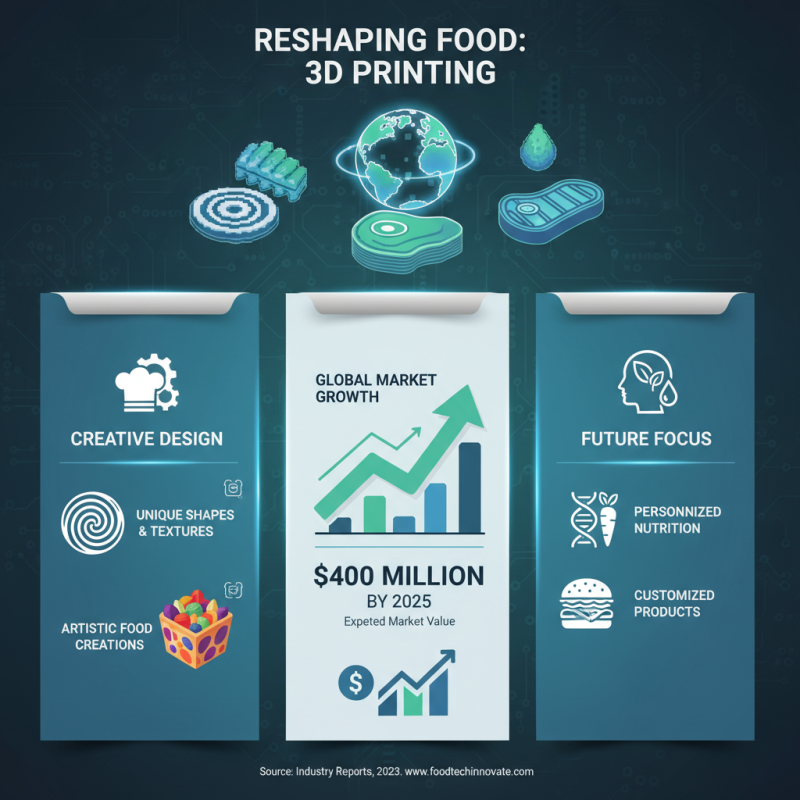
3D printing in food production is reshaping the industry. This technology allows for creativity in food design. It enables chefs and manufacturers to create unique shapes and textures. Reports indicate that the global 3D food printing market is expected to reach $400 million by 2025. This growth reflects a rising interest in personalized nutrition and customized food products.

Despite its advantages, 3D food printing faces challenges. The quality of ingredients used is critical. There is also a learning curve for operators. Many facilities still lack the infrastructure to fully embrace this technology. The demand for sustainable ingredients adds pressure to the process. Some food designers struggle to maintain flavor while using printed forms. Balancing aesthetics and taste is an ongoing challenge.

Furthermore, food safety remains a primary concern. Ensuring that printed food meets health standards is vital. Manufacturers must take additional steps to validate their production methods. This technology opens doors to innovation but requires careful consideration. The combination of creativity and efficiency has potential, yet it demands vigilance. Embracing these innovations means acknowledging their imperfections.

Blockchain Technology in Food Supply Chain Transparency

Blockchain technology is transforming food supply chain transparency. With this innovative approach, stakeholders can trace food products from farm to table. According to a 2022 report by the Food Marketing Institute, 73% of consumers are willing to pay more for transparency in sourcing. This indicates a growing demand for accountability in food production.

With blockchain, every movement of food products is recorded securely. Each transaction is immutable and visible to all authorized parties. This transparency helps reduce fraudulent practices. In the US, the USDA estimated that food fraud costs the industry roughly $49 billion annually. By leveraging blockchain, companies can combat these issues effectively.

However, the implementation of blockchain is not without challenges. Many suppliers lack the resources for such technology. Moreover, integrating blockchain with existing systems can be complex and time-consuming. Industry experts suggest that a collaborative approach is necessary. Educating stakeholders about blockchain's benefits is crucial for widespread adoption.