Top Meat Machinery Innovations Revolutionizing Food Processing Industry?
The food processing industry is undergoing significant changes. Meat machinery innovations are at the forefront of this transformation. According to a recent report by Research and Markets, the global meat processing equipment market is projected to reach $18.5 billion by 2025. This growth reflects the increasing demand for efficient and safe food production.
New technologies in meat machinery enhance productivity and quality. For example, automated systems reduce human error and streamline operations. However, these advancements are not without challenges. Small producers may struggle to keep pace with rapid changes. Some are left wondering how to invest in these new technologies.
As the industry evolves, understanding these innovations becomes critical. They promise improved safety and sustainability. However, it raises questions about accessibility and equity among producers. The push for modernization must include support for all players in the meat processing sector. Balancing innovation with inclusivity is essential for long-term success.
Overview of Meat Machinery Innovations in Food Processing Industry
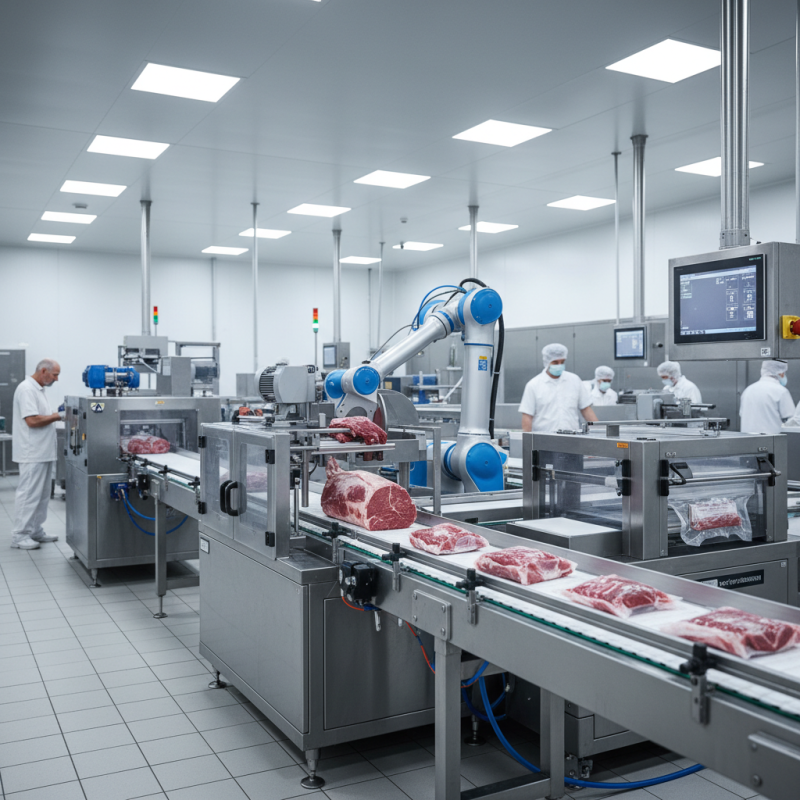
In recent years, meat machinery innovations have transformed the food processing industry. These advancements focus on enhancing efficiency and safety. New technologies allow for better processing methods, ensuring optimal meat quality. Automated systems reduce human error and improve productivity. The use of smart sensors also ensures better monitoring of meat products throughout processing.
One noteworthy trend is the integration of artificial intelligence in machinery. This helps predict maintenance needs and minimize downtime. However, the high initial costs can be a barrier for smaller processors. Additionally, training staff to operate complex machinery remains a challenge. Despite these obstacles, the push for automation grows stronger as processors seek to meet consumer demands for freshness and quality.
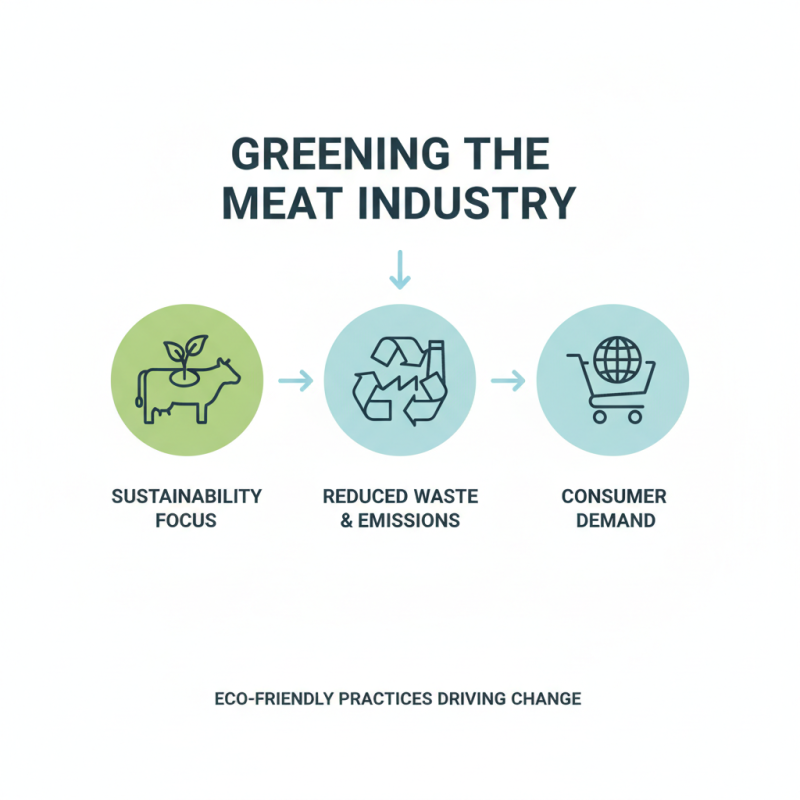
Sustainability is another area where innovations shine. New machines focus on reducing waste and energy consumption. Processes that were once inefficient are now streamlined. Yet, there are concerns about the environmental impact of expanding production. Balancing innovation with responsibility requires ongoing reflection and adaptation within the industry.
Key Technologies Driving Efficiency in Meat Processing Equipment
In the meat processing industry, innovation is key. Advanced technologies are driving efficiency and changing how we process meat. Automation is becoming crucial. Machines that slice, package, and sort meat are now more intelligent. They reduce human error and speed up production. The implementation of AI helps identify quality issues faster. This ensures that only the best products reach consumers.
Moreover, traceability is gaining importance. New systems allow processors to track meat from farm to fork. This transparency builds trust with consumers. It also meets the growing demand for sustainable practices. However, while these technologies boost efficiency, they come with challenges. Companies must invest significantly in training staff. Resistance to change can hinder the adoption of new systems. It's a balancing act between embracing innovation and managing costs.
Lastly, energy efficiency is a pressing concern. Many meat processing plants consume vast amounts of energy. Innovations are focused on reducing this consumption. Companies are exploring energy-saving systems and renewable sources. This shift is not only beneficial to the environment but can also lead to significant cost savings. Yet, the transition is complex and may require time. There’s still much to learn in this evolving landscape.
Impact of Automation on Meat Processing: Trends and Statistics
The meat processing industry is undergoing a significant transformation driven by automation. Robots are now handling tasks like slicing, packaging, and quality control. These machines work faster and more accurately than humans. For example, they can achieve precise cuts in seconds, improving efficiency. However, this shift raises concerns about job displacement.
Statistics show that automation can reduce operational costs by up to 30%. While this is appealing for companies, it can lead to underemployment in many communities. Workers may find it challenging to adapt to new roles. Training programs need improvement to prepare the workforce for a technology-driven environment. Automation presents clear benefits, yet it requires careful consideration of its social impact.
There are also challenges in integrating new technologies. Some meat processing plants struggle with inter-machine communication. This can cause delays and increase maintenance costs. Adaptation is not smooth for every facility. Monitoring the effectiveness of these innovations is crucial. As automation continues to grow, the balance between efficiency and workforce sustainability must be addressed.
Future Trends: Smart Meat Processing Solutions and AI Integration
The meat processing industry is rapidly evolving with the integration of smart technology and artificial intelligence. These innovations bring unprecedented efficiency and precision to meat production. Automated systems now monitor every step, from sourcing to packaging. For instance, sensors can track meat quality in real-time, ensuring freshness. This capability helps reduce food waste significantly.
AI plays a crucial role in optimizing production schedules. Algorithms analyze data to predict the demand for various meat products. This means processors can adjust their production levels accordingly. However, the reliance on technology raises concerns about cybersecurity. Vulnerable systems could lead to operational disruptions. Moreover, understanding AI outputs requires skilled workers, presenting a new training challenge.
The industry also faces questions about worker safety. While machinery can automate tasks, human oversight is still essential. Balancing automation with quality control remains a complex task. As technology advances, companies must continually evaluate its impact on both efficiency and safety. The journey towards a fully automated meat processing facility is filled with opportunities and challenges.