How to Choose the Right Cheese Equipment for Your Business?
Choosing the right cheese equipment is crucial for any cheese business. The right tools can enhance production efficiency, improve product quality, and ultimately affect your bottom line. There are numerous options available on the market, but not all are suitable for every operation. Understanding your specific needs is essential.
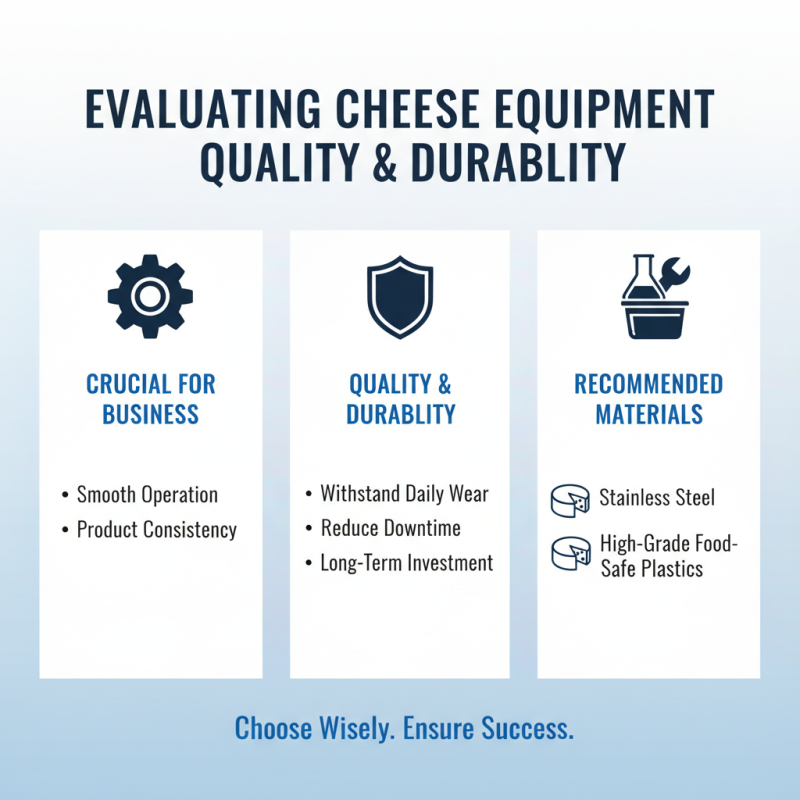
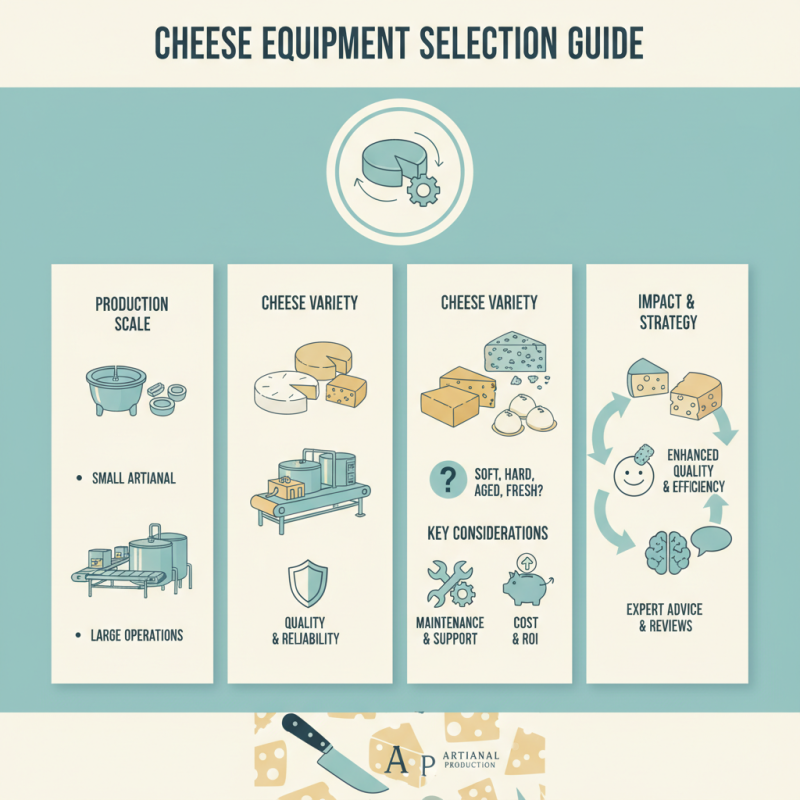
When selecting cheese equipment, consider your production scale and the variety of cheeses you plan to create. For small artisanal cheese makers, a simple setup may suffice. Larger operations may require specialized machinery. Quality is vital; investing in reliable equipment can prevent costly breakdowns. Don't overlook the importance of support and service from suppliers.
Reflect on how your choices impact your business. Investing in the wrong type of cheese equipment can lead to wasted resources and time. Gather insights from industry experts and peers. Seek recommendations and reviews to ensure informed decisions. Your equipment can make a difference in achieving your cheesemaking goals.
Identifying Your Cheese Production Needs
When selecting cheese equipment, understanding your production needs is essential. Each stage of cheese-making requires specific equipment. For instance, pasteurization requires precise heating systems. According to a report by the Dairy Research Institute, small-scale cheese producers often overlook the importance of scalability in their equipment choices. This oversight can lead to production bottlenecks as demand increases.
Tips: Evaluate your current and future needs. Invest in equipment that can grow with your business.
Another critical factor is the type of cheese. Hard cheeses require different tools than soft cheeses. Surveys indicate that 45% of new cheese makers face challenges due to inadequate equipment. This often stems from a lack of thorough initial assessments.
Tips: Make a list of cheese varieties you plan to produce. Ensure your equipment aligns with these products.
Investing in the right equipment from the beginning can save time and money. But remember, not all equipment is perfect. Some machines may not meet your operational speed. Regularly reassessing your equipment can help identify areas for improvement.
Understanding Different Types of Cheese Equipment
When selecting cheese equipment, understanding different types is crucial for success. Cheese making requires specialized tools. Each piece of equipment serves a unique purpose. For instance, milk vats are essential for curdling milk. They come in varying sizes, catering to small or large-scale production. Smaller vats suit artisanal operations, while larger ones support industrial businesses.
Another vital component is the cheese press. Presses help in shaping cheese and removing excess whey. Choosing the right press depends on the type of cheese you're making. There are manual and hydraulic options available. Manual presses offer hands-on control, while hydraulic varieties provide consistency and efficiency. The decision can impact the texture and quality of your cheese.
Finally, consider aging and storage equipment. Cheese aging requires controlled environments. Aging cabinets or rooms maintain humidity and temperature. This equipment can be a significant investment but is essential for flavor development. Reflecting on your production goals will help clarify which tools you truly need. Balancing quality and cost is vital. Each piece of equipment contributes to the unique profile of your cheese.
How to Choose the Right Cheese Equipment for Your Business? - Understanding Different Types of Cheese Equipment
| Equipment Type |
Description |
Ideal For |
Price Range ($) |
| Cheese Vat |
A large, stainless steel container used for warming and curdling milk. |
Local dairies, artisan cheese makers |
5000 - 15000 |
| Cheese Press |
Used to compress curds into solid cheese blocks. |
Small to medium-scale cheese producers |
1500 - 6000 |
| Curd Cutter |
Tool for cutting curds into uniform pieces. |
Artisan cheesemakers |
300 - 1200 |
| Cheese Mold |
Used to shape and hold curds during pressing. |
Cheese artisans and small batch producers |
50 - 300 |
| Pasta Filata Machine |
Equipment used to stretch and shape cheese, particularly mozzarella. |
Italian cheese producers |
10000 - 25000 |
| Cheese Aging Room |
Controlled environment for aging cheese until it reaches optimal flavor. |
All cheese producers looking to improve flavor |
3000 - 20000 |
Considering Budget and Financial Investment
When selecting cheese equipment, budget is a key factor. A report by IBISWorld indicates that the global cheese manufacturing market is expected to grow at 2.5% annually. This growth highlights the importance of investing wisely in high-quality equipment. Balancing initial costs with long-term benefits can be tricky. Cheap equipment may lead to high repair costs over time, affecting overall profitability.
Consider the total cost of ownership. This includes maintenance, energy consumption, and potential downtime. A study from the Food Industry Association found that improper equipment can increase production costs by up to 20%. It's essential to think about how the equipment will impact production efficiency. Will it provide consistent results and reduce waste?
Investing in versatile equipment can also save money in the long run. When equipment can handle multiple types of cheese, it minimizes the need for additional investments. Be aware of your production capacity and future plans. An initial low-cost option may limit growth opportunities later. A careful analysis of current and future needs is crucial in making a sound financial decision.
Cheese Equipment Budget Allocation by Category
Assessing Space and Technical Requirements
When choosing cheese equipment, assessing your space and technical requirements is crucial. Start by evaluating your kitchen layout. Consider the size of appliances and workstations. Can they fit comfortably? Overcrowded spaces can lead to inefficiencies.
Next, think about ventilation. Proper air circulation is vital for cheese production. It affects the aging process and prevents spoilage. Check your existing HVAC systems. Are they adequate for cheese temperature control?
Lastly, consider power needs. Cheese equipment can require significant energy. Look into your electrical setup. Are you prepared for high-demand machinery? Don't underestimate the importance of planning. Reflect on potential bottlenecks and adjust accordingly for a smoother workflow.