Why Is Meat Machinery Essential for the Meat Processing Industry?
The meat processing industry relies heavily on advanced meat machinery. According to Dr. Alice Thompson, an industry expert, "Efficient meat machinery is the backbone of modern processing." This statement highlights the critical role of technology in optimizing production.
Today's meat processing plants demand precision and speed. High-quality meat machinery ensures food safety and consistency. State-of-the-art equipment minimizes waste and maximizes yield, driving profitability. However, the rapid pace of technological advancement raises questions. Are companies adapting quickly enough? Balancing innovation with traditional methods can present challenges.
Moreover, investing in meat machinery requires careful consideration. Initial costs are high, but long-term benefits can outweigh them. It’s essential for businesses to evaluate their needs realistically. The choice of machinery can impact not only efficiency but also product quality. As the industry evolves, staying informed about new technologies becomes paramount.
Importance of Meat Machinery in Meat Processing
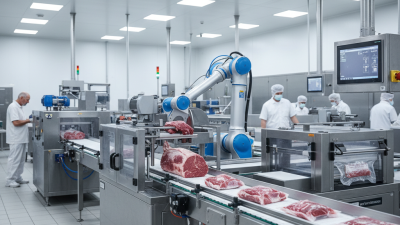
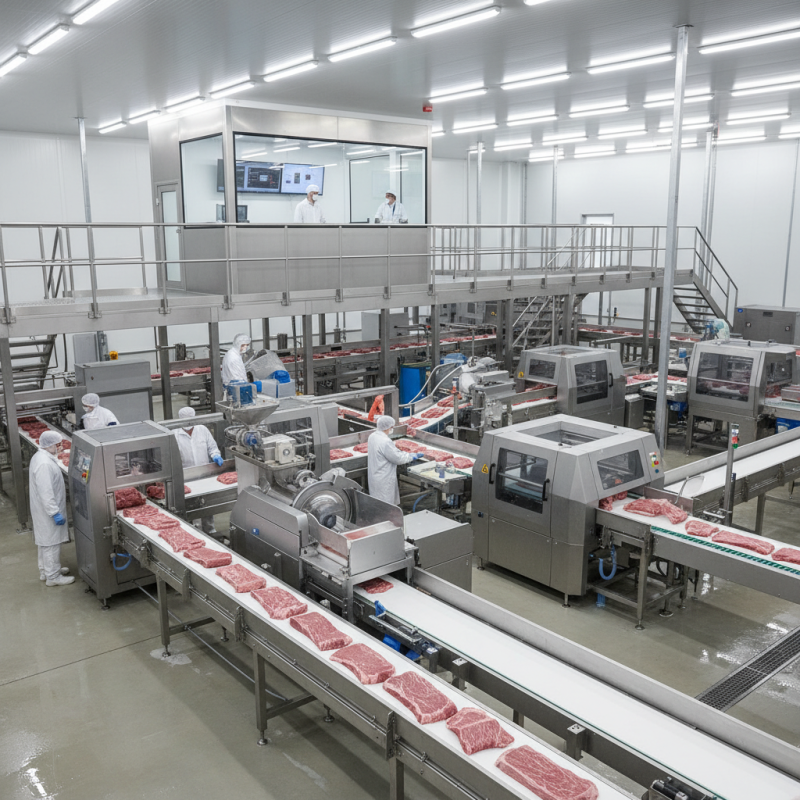
Meat machinery plays a crucial role in the meat processing industry. This equipment ensures efficiency and consistency in meat production. Without it, the industry would struggle to meet the demands of consumer markets. The machinery aids in various processes, including cutting, grinding, and packaging. These tasks require precision and speed, which manual methods cannot provide.
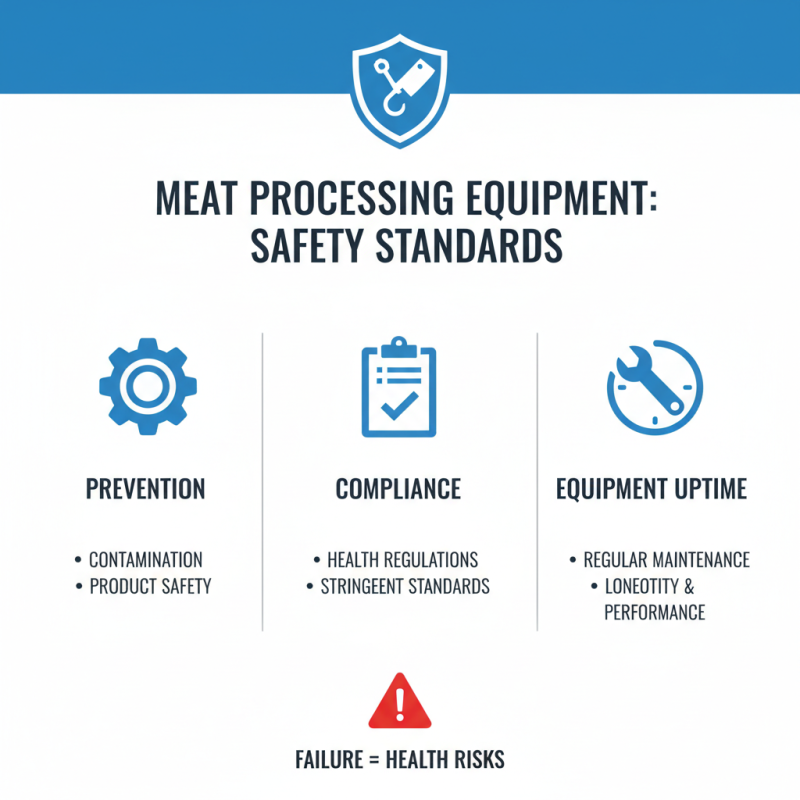
The importance of reliable meat machinery cannot be overstated. It enhances hygiene by minimizing human contact with raw materials. Automation reduces the risk of contamination, a key factor in food safety. Furthermore, machinery allows for better inventory management. This aspect is vital as the meat industry deals with perishable products. However, the initial investment in such equipment can be daunting for beginners. Many small businesses contemplate starting small with basic tools.
An ongoing challenge is keeping the machinery maintained. Regular servicing is essential to prevent breakdowns. When machinery fails, production halts, leading to financial losses. Operators must be trained to handle these machines efficiently and safely. This training is often overlooked, leading to underperformance. Ultimately, while meat machinery is indispensable, it requires careful management and ongoing evaluation.
Types of Meat Machinery and Their Functions
In the meat processing industry, various types of machinery play crucial roles. These machines enhance efficiency and product quality. Common equipment includes grinders, slicers, and conveyors. Each serves a specific purpose, improving the overall workflow.
Grinders are essential for meat preparation. They break down larger cuts into smaller pieces. This process is vital for creating consistent textures in products like sausages. Slicers, on the other hand, ensure uniformity in cut thickness. This consistency is important for both cooking and presentation. Conveyors help streamline production, reducing handling time. They move products from one station to another, enhancing productivity.
Tips: Regular maintenance of machinery is crucial. It prevents unexpected breakdowns and prolongs equipment life. Training staff on proper usage is also essential. A skilled operator can significantly impact machinery effectiveness. Additionally, stay updated on industry best practices. This knowledge can lead to continuous improvement in meat processing techniques.
Efficiency and Productivity Gains from Using Meat Machinery
The meat processing industry has embraced machinery to boost efficiency and productivity. Within this sector, automated meat processing solutions reduce labor costs. According to a report by the Food Automation & Manufacturing Forum, automated systems can improve output by up to 30%. This transformation allows businesses to handle larger quantities while maintaining quality.
Machinery also enhances precision in cutting and packaging. For instance, advanced slicers ensure uniform portions, increasing customer satisfaction. The Global Food Equipment Market Report highlights that investments in processing technology can yield a return on investment within two years. Nevertheless, there is a paradox. While efficiency increases, some smaller companies struggle to keep up with the cost of advanced machinery. This reflects a gap that needs addressing to ensure all businesses can benefit.
Moreover, there is a learning curve associated with new technologies. Staff must adapt to machinery quickly for optimal results. This creates challenges, especially in training and skill development. According to industry experts, investing in employee training is just as crucial as the equipment itself. By balancing machinery costs and staff expertise, the industry can navigate its complexities.
Future Trends in Meat Machinery Technology and Innovation
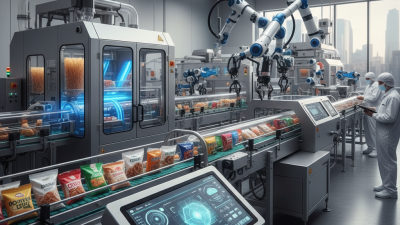
The meat processing industry is evolving at a rapid pace. Innovations in meat machinery technology are crucial for meeting modern demands. Advanced systems now enhance efficiency and safety in meat production. Automation plays a significant role. Machines can now perform tasks that were once labor-intensive. This leads to quicker processing times and reduced labor costs.
Sustainability is another key trend. The industry is exploring eco-friendly machinery to minimize waste and energy usage. Machines that reduce water consumption during processing are becoming popular. There’s also a growing focus on traceability. Consumers want to know where their meat comes from. Technologies that track meat throughout the supply chain are now gaining traction.
However, challenges remain. The high cost of advanced machinery can be a barrier for small businesses. Training staff to operate new technology also requires time and resources. As this industry moves forward, it must balance innovation with practical implementation. Finding this equilibrium will be essential for success.